Dreadglyph: A Modern Take on the Classic Blackletter Font
Typography plays a crucial role in visual communication, shaping how messages are perceived and experienced across different platforms. Among the many font styles available, blackletter has long been associated with tradition, gravitas, and historical significance. However, as design trends evolve, so does the need for fonts that can bridge the gap between heritage and modernity. Enter Dreadglyph, a bold reinterpretation of the classic blackletter style that injects urban grit and a masculine aesthetic into its design. This typeface isn’t just another version of an old favorite—it’s a statement, crafted to resonate in today’s dynamic creative landscape.
Understanding Dreadglyph’s Design Philosophy
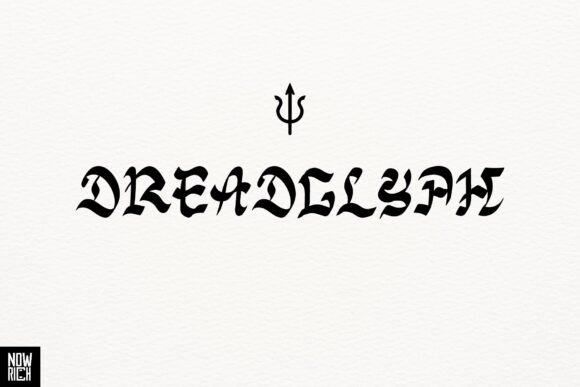
Dreadglyph takes inspiration from the architectural chaos of city streets and the raw energy of contemporary subcultures. While rooted in the traditional blackletter form, it diverges significantly by incorporating sharp angles, uneven strokes, and a sense of movement typically found in street art or graffiti typography. These features give the font a distinctly rugged character, making it stand out from more formal or historical blackletter variants.
The result is a font that feels both authentic and innovative—perfect for those looking to create visuals that demand attention without sacrificing typographic integrity. Its uppercase and lowercase characters are equally compelling, allowing for greater flexibility in design applications than many monolithic-style fonts offer.
Key Characteristics That Define Dreadglyph
- Urban Edge: The angular, sometimes fractured lines echo the spontaneity and imperfection seen in street signage and graffiti, giving Dreadglyph a rebellious yet intentional feel.
- Masculine Aesthetic: Designed with a strong, imposing structure, this font exudes confidence and authority, aligning well with themes like strength, identity, and resilience.
- Contemporary Flair: Despite its traditional roots, Dreadglyph integrates subtle modern touches such as clean transitions and balanced spacing, ensuring readability while maintaining a striking appearance.
- Versatility: Both uppercase and lowercase characters are thoughtfully designed, enabling use in a wide range of projects from short slogans to full paragraphs, though it shines brightest in high-impact settings.
Real-World Applications and Performance
In practice, Dreadglyph proves itself to be more than just a stylistic choice; it’s a strategic one. For branding and logo design, it brings an air of authenticity and edge that appeals to niche markets and lifestyle brands targeting audiences who value individuality and boldness. Consider a startup focused on urban fashion or a fitness brand emphasizing discipline and strength—Dreadglyph could serve as the perfect typographic anchor.
Its effectiveness extends beyond digital screens. In tattoo art, where legibility and emotional resonance are key, Dreadglyph offers a unique blend of readability and personality. It avoids the overly ornate pitfalls of some blackletter fonts while preserving enough character to make a lasting impression. Similarly, in illustrations and poster designs, the font enhances the mood and narrative without overwhelming the composition.
However, it’s important to note that Dreadglyph may not perform optimally in every context. Its aggressive styling makes it less suitable for body text in long-form documents or websites requiring extensive reading. But when used appropriately—as a headline, title, or accent font—it delivers exceptional impact and memorability.
Quality and Consistency in Typography
Evaluating any font requires looking at more than just its appearance. Quality in typography also includes consistency across character sets, reliability in rendering, and usability across various mediums. Dreadglyph excels in these areas. Each character maintains a cohesive visual language, with consistent stroke weights and structural elements that prevent the typeface from feeling disjointed or amateurish.
Its designers have clearly considered the nuances of blackletter forms, adapting them in ways that retain their core identity while making them accessible for modern use. This balance ensures that Dreadglyph remains reliable whether you’re working in print, web, or motion graphics. It supports a broad range of glyphs and ligatures, which adds to its professionalism and adaptability in diverse design scenarios.
Who Should Consider Using Dreadglyph?
While no single font fits all needs, Dreadglyph is particularly well-suited for specific audiences and purposes. Here are some groups and situations where it might be the ideal choice:
- Entrepreneurs and Startups: If your brand identity leans toward edgy, urban, or alternative aesthetics, Dreadglyph can help establish a strong visual presence.
- Graphic Designers and Illustrators: This font works beautifully in concept-driven projects, especially those that require a strong thematic or cultural reference point.
- Marketers and Advertisers: Use Dreadglyph to craft headlines or taglines for campaigns targeting male demographics or youth-oriented markets.
- Bloggers and Publishers: For editorial content with a focus on storytelling, opinion pieces, or themed publications (e.g., crime, history, or subculture topics), Dreadglyph can add a layer of visual interest.
- Freelancers and Small Business Owners: Those who want to differentiate their work with a signature look will find Dreadglyph a powerful tool in their arsenal.
Strengths and Limitations
No font is without its trade-offs. One of Dreadglyph’s greatest strengths is its ability to convey emotion and attitude through its design. It’s a font that speaks volumes before a word is even read. Additionally, its integration of lowercase letters allows for more nuanced messaging compared to purely uppercase blackletter fonts.
On the flip side, its unconventional structure may pose challenges for certain layouts. Because of its density and contrast, it can appear heavier or more difficult to scale down effectively. Designers must consider how it interacts with surrounding elements, as it can dominate compositions if not balanced carefully.
Another limitation is its potential unsuitability for multilingual or international branding due to the complexity of adapting blackletter forms to non-Latin scripts. If global accessibility is a priority, additional font choices may be necessary alongside Dreadglyph.
Practical Tips for Using Dreadglyph Effectively
To get the most out of Dreadglyph, here are a few professional observations and recommendations based on its characteristics:
- Use it Sparingly: Given its intensity, reserve Dreadglyph for key elements like logos, titles, or call-to-action buttons. Overuse can dilute its impact.
- Pair with Simpler Fonts: Balance Dreadglyph with a clean sans-serif or minimalist serif for secondary text to maintain readability and hierarchy.
- Consider Color and Contrast: Because of its dark, heavy appearance, lighter backgrounds or contrasting colors often enhance its visibility and readability.
- Test at Different Sizes: Ensure it looks good at both large and small scales. While it performs admirably in headers, smaller sizes may require adjustments to spacing or leading.
- Experiment with Layout: Try using Dreadglyph in unexpected places, such as section dividers or decorative accents within illustrations. It can elevate the overall visual appeal when applied creatively.
Long-Term Value and Adaptability
A good font doesn’t just look great today—it holds up over time and adapts to new design trends. Dreadglyph shows promise in this regard. Its fusion of traditional and modern design cues means it won’t quickly fall out of style. Unlike fonts that rely heavily on fleeting trends, Dreadglyph’s foundation in blackletter gives it a timeless quality while its contemporary edge keeps it relevant.
This dual nature makes it a valuable addition to a designer’s library. Whether you're creating a logo for a new barbershop, designing promotional materials for a music festival, or crafting a tattoo sleeve template, Dreadglyph offers a versatile yet distinctive option that stands apart from generic alternatives.
Conclusion and Final Thoughts
Dreadglyph is more than a font—it’s a design mindset embodied in typography. By reimagining blackletter through the lens of urban culture and masculinity, it opens up new possibilities for creators who seek to push boundaries without losing clarity or purpose. While it may not be the best fit for every project, its unique combination of grit and grace makes it a compelling choice for those aiming to infuse their work with attitude and authenticity.
If you're considering fonts for a high-impact project and want something that carries weight both visually and symbolically, Dreadglyph is worth exploring. Just remember to evaluate its role within your broader design strategy and ensure it complements rather than competes with other elements. With thoughtful application, this typeface can become a defining feature of your creative output.