Great Feast: A Bold Blackletter Font for Impactful Typography
Typography plays a crucial role in design, influencing readability, aesthetics, and the overall tone of any project. Choosing the right font can elevate your work from ordinary to extraordinary, especially when you're aiming for a strong visual presence. One such font that stands out for its distinctive character is Great Feast. This bold and edgy blackletter typeface brings a sense of authority and drama to digital and print designs alike.
What Is Great Feast?
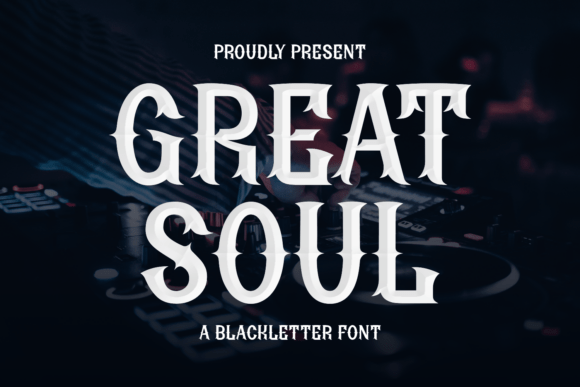
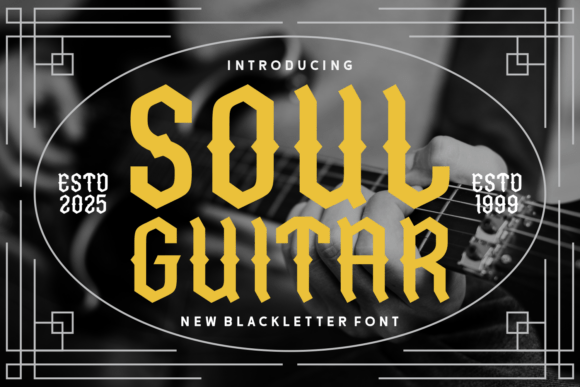
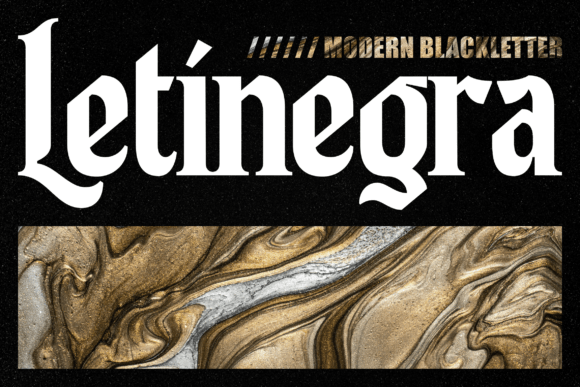
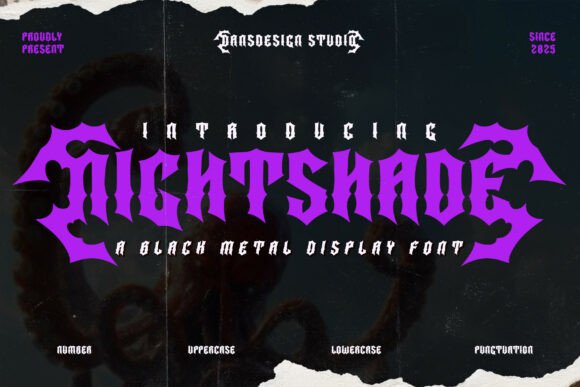
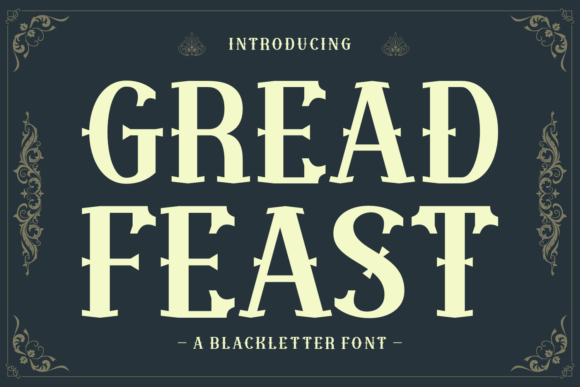
Great Feast is a modern take on traditional blackletter fonts, which originated in medieval Europe and are characterized by their angular, flowing letterforms. Unlike many blackletter styles that lean toward elegance or formality, Great Feast embraces a more aggressive and contemporary edge. Its thick strokes, sharp serifs, and dramatic flair make it ideal for projects that require a commanding typographic statement.
Key Features of Great Feast
- Bold weight with high contrast between thick and thin strokes
- Sharp, angular terminals and exaggerated serifs
- High legibility at larger sizes despite intricate details
- Designed for both digital and print applications
Why People Are Interested in Great Feast
Designers often seek fonts that not only look good but also align with the message they want to convey. Great Feast appeals to those who need typography that evokes strength, tradition, or rebellion. It's particularly popular among graphic designers, illustrators, and branding professionals looking to add a unique visual element to their work. The font’s distinctiveness makes it a favorite for posters, logos, book covers, and other media where making an impression is key.
Additionally, the resurgence of vintage and historical design aesthetics has led many creators to explore blackletter fonts as part of their toolkit. Great Feast fits into this trend while offering a fresh, modern twist that differentiates it from older, more ornate blackletter styles.
Benefits of Using Great Feast
There are several advantages to incorporating Great Feast into your design projects:
- Attention-Grabbing: Its bold and unconventional appearance ensures text won’t be overlooked.
- Versatile Application: Though it has a strong personality, Great Feast can be used effectively in various contexts, from editorial layouts to event promotions.
- Unique Character: The font avoids clichés found in many blackletter styles, giving designers a fresh option without losing the essence of the genre.
- High-Quality Design: Crafted with precision, Great Feast offers excellent kerning and spacing for professional results.
Tradeoffs and Considerations
While Great Feast is a powerful tool, it isn't always the best choice for every situation. Understanding its limitations can help you use it more effectively:
- Legibility at Small Sizes: Due to its complex structure and heavy stylization, Great Feast may become difficult to read when used in smaller point sizes. It shines most in headlines, titles, and large-scale displays.
- Context Sensitivity: The font’s edgy style might clash with minimalist or modern design schemes. Careful pairing with complementary elements is essential.
- Color Contrast: Because of its dark, dense character, using light-colored text on dark backgrounds can enhance its impact. However, improper color choices can reduce clarity.
When Great Feast Is a Strong Fit
Great Feast excels in specific scenarios where its bold nature enhances the message. These include:
- Branding Projects: For businesses targeting a niche market—such as luxury, heritage, or alternative lifestyles—the font can reinforce brand identity through its strong visual language.
- Event Posters and Invitations: Whether for concerts, festivals, or themed parties, Great Feast adds a dramatic flair that captures attention and sets the tone.
- Editorial Design: In magazines, books, or articles with a historical or thematic focus, the font contributes to a rich, immersive experience.
- Logo Creation: Its striking letterforms can serve as a focal point in logo design, especially when paired with imagery or textures that reflect its character.
When Alternatives May Be Better
Not every design benefits from an edgy blackletter font. If your goal is to maintain simplicity or ensure maximum readability across all platforms, consider these alternatives:
- Modern Sans Serifs: Fonts like Helvetica or Futura offer clean lines and broad compatibility for digital interfaces and small text.
- Traditional Serifs: For formal or classic designs, fonts like Times New Roman or Garamond provide a timeless appeal without the complexity of blackletter.
- Script Fonts: When a more elegant or fluid feel is needed, script fonts such as Playfair Display or Cinzel can offer sophistication.
Evaluating the context of your project is key before committing to a font like Great Feast. If your audience includes people who prefer minimalism or accessibility is a concern, a more straightforward typeface might be a better fit.
Practical Insights for Decision-Making
Choosing a font involves more than just aesthetics—it requires strategic thinking about how it will function within your design. Here are some tips to guide your decision:
- Test Across Devices: Always preview Great Feast on different screens and in varying sizes to ensure it remains readable and impactful.
- Use Sparingly: Employ it for emphasis rather than body text. Pair it with a secondary, more legible font to balance the design.
- Consider Cultural Context: Blackletter fonts have deep roots in European history. Use them thoughtfully to avoid unintended associations or misinterpretations.
- Check Licensing: Before finalizing your choice, confirm that Great Feast is properly licensed for your intended use, whether personal or commercial.
Expectations and Realistic Outcomes
If you decide to use Great Feast, set realistic expectations based on its characteristics:
- It will likely require adjustments in spacing and alignment to optimize visual harmony.
- Its effectiveness depends heavily on the supporting design elements—color, layout, and imagery must complement its boldness.
- It may not perform well in long paragraphs or technical documents due to its stylized form.
On the flip side, when used correctly, Great Feast can transform a design by adding depth, emotion, and a memorable visual identity. It’s not just a font; it’s a design element in its own right.
Final Thoughts on Great Feast
In the world of typography, Great Feast holds a special place for its ability to communicate power and uniqueness. While it may not suit every design need, it’s an excellent choice for those seeking to stand out and evoke a strong emotional response. As with any font selection, the key lies in understanding your project's requirements and knowing when to leverage the font’s strengths.
By evaluating its suitability for your specific goals and considering the broader design ecosystem, you can determine whether Great Feast is the right move for your next creative endeavor.