Heat Waves: A Bold Font for Powerful Designs
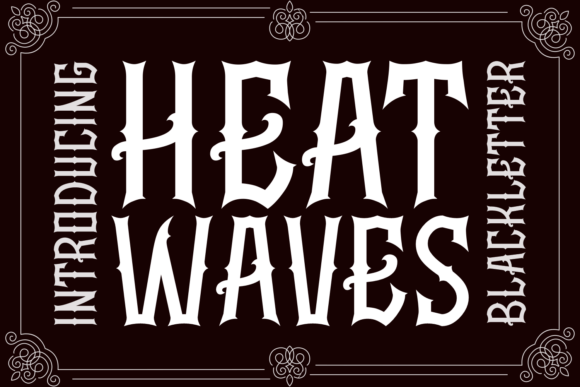
In the world of typography, choosing the right font can make all the difference. It's not just about legibility—it's about capturing attention, conveying emotion, and setting a tone that aligns with your message. Heat Waves is a standout in this arena. This vintage-inspired blackletter font brings intensity and character to any design project. Its elongated vertical forms, aggressive curves, and ornate flourishes evoke the dramatic spirit of classic Gothic styles while maintaining a modern edge that ensures readability and versatility.
Why Heat Waves Stands Out
The beauty of Heat Waves lies in its ability to bridge two eras—Gothic tradition and contemporary design needs. Blackletter fonts are often associated with historical documents or medieval manuscripts, but they've found new life in modern branding and creative projects. What sets Heat Waves apart is how it balances boldness with accessibility. The font doesn’t sacrifice clarity for style, making it suitable for both digital and print applications where visual impact is key but legibility must remain intact.
Aesthetic Appeal Meets Practical Use
Designers who work with themes like vintage aesthetics, rock culture, or artisanal products will find Heat Waves particularly compelling. For example, if you're creating a poster for a music festival or designing a label for a craft beer brand, this font can instantly elevate the visual presence. The ornate details add a layer of sophistication, while the strong structure ensures that your message remains clear and powerful.
Who Can Benefit Most from Heat Waves?
Heat Waves is ideal for professionals across multiple industries. Marketers and entrepreneurs crafting unique brand identities will appreciate how it helps differentiate their products in a crowded market. Educators designing course materials with a thematic or historical focus might use it to create engaging infographics or event banners. Small business owners, especially those in the food and beverage sector, could leverage its striking appearance to enhance packaging and promotional content.
Freelancers and creators working on client projects also benefit from using Heat Waves. It’s a versatile tool for designers who need to deliver something memorable without overcomplicating the layout. Whether you're working on a retro-themed ad campaign or a high-impact headline for a blog post, this font adds depth and personality that aligns with a variety of creative goals.
Vintage Branding with a Modern Twist
One of the most common use cases for Heat Waves is in vintage branding. Think about how many brands today lean into nostalgic visuals to connect with consumers. A well-chosen font can be the cornerstone of such a strategy. Heat Waves allows you to do just that—its sharp, stylized characters give off an old-world charm that resonates with audiences looking for authenticity and craftsmanship.
For instance, a boutique coffee shop launching a limited-edition line inspired by 19th-century European cafés might use Heat Waves for their product labels and signage. The font complements hand-drawn illustrations and distressed textures, helping to build a cohesive visual narrative that tells a story beyond just selling a product.
Enhancing Communication Through Design
Communication isn't just about words; it's about how those words are presented. In marketing, the right typeface can influence perception and engagement. Heat Waves supports this by offering a bold, confident look that commands attention. When used strategically, it can help reinforce the message behind the text, whether it's a call to action, a brand slogan, or a headline for a special promotion.
Rock Band Merchandise Made Memorable
If you're involved in the music industry or managing a band’s merchandise line, you know that visual identity is everything. T-shirts, posters, and album covers need to stand out in a way that reflects the band’s energy and style. Heat Waves fits perfectly into this context. Its aggressive curves and dynamic form mirror the intensity of live performances and the edgy vibe of rock culture.
Consider a band launching a new EP titled “Echoes in the Night.” Using Heat Waves for the title on a vinyl cover or tour poster would immediately convey the mood and power of the music. It's a font that speaks volumes without saying a word, turning text into a visual statement.
Poster Headlines That Command Attention
Event posters, concert flyers, and exhibition announcements rely heavily on first impressions. The headline is the first thing people see, and it needs to grab them quickly. Heat Waves excels here because it combines elegance with strength. Unlike overly complex scripts that can feel gimmicky, this font maintains a balance between artistic flair and professional clarity.
Imagine you're promoting a local art show with a theme centered around gothic architecture. A headline in Heat Waves would resonate with the aesthetic, drawing in attendees who appreciate the fusion of history and modern creativity. The font works best when paired with complementary elements like deep colors, intricate patterns, or photography with a moody palette.
How Heat Waves Supports Creative Efficiency
Time is a valuable resource for any designer or marketer. Fonts that require extensive tweaking or don’t integrate well with other design elements can slow down the creative process. Heat Waves streamlines this by being both visually striking and easy to work with. Its clean lines and consistent structure reduce the need for additional formatting or spacing adjustments, allowing you to focus more on the overall composition rather than getting bogged down in technicalities.
This efficiency is especially beneficial for small teams or solo creatives juggling multiple projects. With Heat Waves, you can achieve a professional look faster, which means more time spent refining other aspects of your design or reaching your audience with timely content.
Simplifying Decision-Making in Design
When you’re under pressure to deliver a finished design quickly, having a reliable font like Heat Waves can simplify decision-making. You won’t waste hours searching for the perfect typeface that matches your vision. Instead, you can confidently choose Heat Waves knowing it will fit well in a range of contexts—from editorial layouts to social media graphics.
Its adaptability also makes it a great recommendation for clients who aren’t sure what kind of font they want. By showing them a mock-up in Heat Waves, you can spark a conversation about direction, tone, and branding—all while keeping the design grounded in professionalism.
Limitations and Fit Considerations
While Heat Waves is a powerful tool, it's important to consider its limitations. Like many blackletter fonts, it may not be the best choice for body text due to its complexity and density. It shines brightest when used as a headline or accent font. Additionally, because of its vintage inspiration, it may not suit every brand or project—especially those leaning toward minimalism or futuristic themes.
Before committing to Heat Waves for a large-scale project, it's wise to test it in different sizes and settings. How does it look at 24pt on a mobile screen? Does it still hold up in grayscale for print materials? These are practical questions that help ensure the font meets your specific needs and enhances your design rather than detracting from it.
Choosing the Right Font for the Right Project
Not every design requires a dramatic font. Sometimes, simplicity is the better choice. However, when you need to create a strong visual impact, Heat Waves offers a compelling solution. It’s particularly effective in short-form content where each letter counts—such as logos, taglines, or event titles.
For example, a vintage clothing store might use Heat Waves in a logo to evoke a sense of timeless style, while a tech startup would likely prefer something sleek and sans-serif. Understanding your audience and the purpose of your design is key to selecting the appropriate font. Heat Waves should be reserved for projects where its bold character aligns with the intended message.
Thoughtful Integration Tips
To get the most out of Heat Waves, consider how it interacts with other design elements. Pair it with simpler sans-serif or serif fonts for body text to maintain contrast and readability. Use warm tones like red, orange, or deep brown to enhance its vintage appeal. Also, think about the background—high-contrast settings (e.g., white on black) often highlight the font’s intricacies and make it pop.
Another tip is to use it sparingly. Overuse of a bold font can lead to visual fatigue. Reserve it for headlines, logos, or key phrases where its intensity will have the most effect. This approach not only keeps your designs balanced but also reinforces the importance of the message you're delivering.
Real-World Applications and Examples
Let’s look at some real-world examples to understand how Heat Waves can enhance various types of projects:
- Beverage Labels: Craft breweries often use Heat Waves to create a sense of heritage and quality. The font feels authentic and ties the product to a rich tradition of brewing.
- Editorial Design: Magazines covering topics like history, fashion, or entertainment can use Heat Waves for pull quotes or section headers to add visual interest and guide readers through the content.
- Merchandise Packaging: Vintage-inspired candle or soap brands might use Heat Waves to create labels that feel handcrafted and exclusive.
- Event Promotions: Music festivals, horror film screenings, or themed parties can benefit from the dramatic flair of this font to set the right mood before the event even begins.
Each of these applications shows how Heat Waves can be integrated thoughtfully to support the overall design goal without overwhelming the viewer.
Final Thoughts on Heat Waves
Fonts are more than just decorative elements—they are functional tools that shape how your message is received. Heat Waves is a prime example of how a well-designed typeface can enhance communication, save time, and boost the effectiveness of your creative output. Whether you're a seasoned designer or just starting out, this font offers a compelling option for projects that demand both style and substance.
As with any design element, the success of Heat Waves depends on how well it fits within the broader context of your work. Used correctly, it can become a signature part of your visual identity, helping you stand out in a competitive landscape. So next time you're looking for a font that brings intensity and character to your design, consider Heat Waves—a choice that blends the past with the present in a way that feels fresh, powerful, and unforgettable.