Old German Gothic: A Timeless Handwritten Font
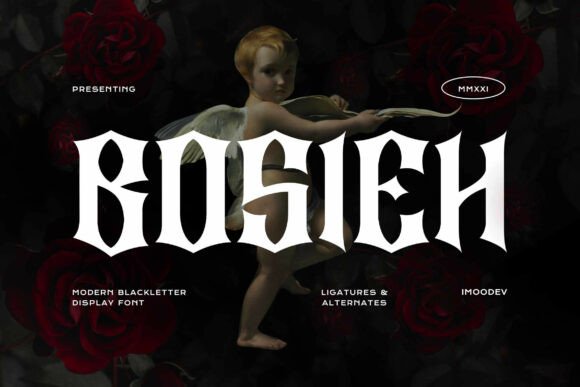
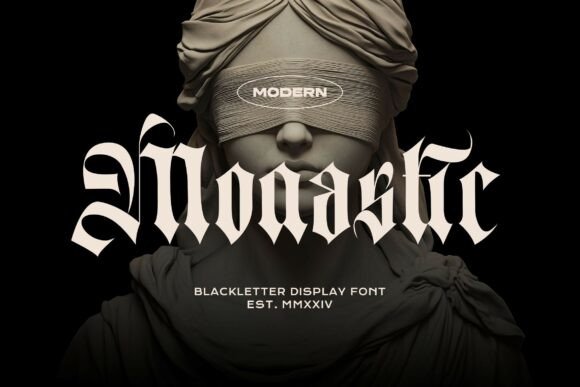
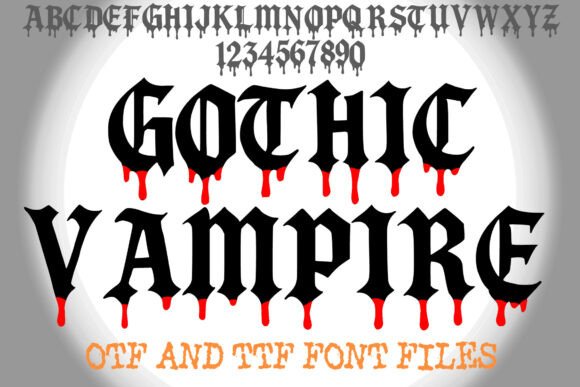
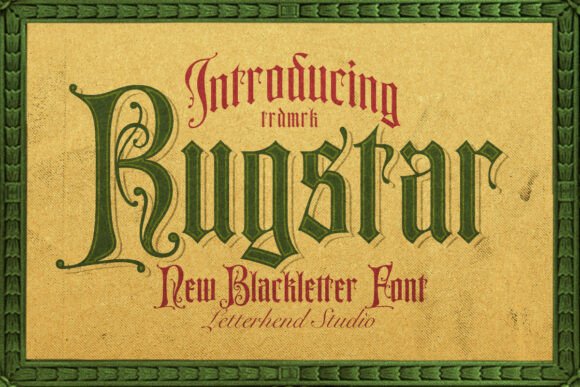
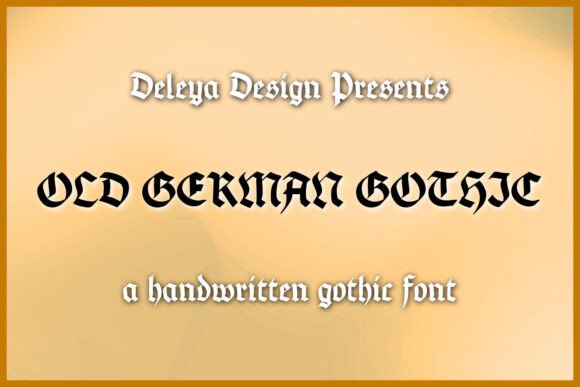
The Old German Gothic font is a distinctive and elegant typeface rooted in the Blackletter tradition, which once dominated European script. With its sharp, angular strokes and intricate character shapes, this handwritten style evokes a sense of history, sophistication, and artistic depth. For designers, marketers, educators, and creatives alike, Old German Gothic offers more than just visual appeal—it brings a unique storytelling element to any project. Whether you're crafting a vintage-themed poster or designing branding that stands out with authenticity, this font can be a powerful tool in your creative arsenal.
Why Choose Old German Gothic?
Fonts do more than convey text; they set the tone and evoke emotion. Old German Gothic, with its cool and classic aesthetic, adds an air of gravitas and timelessness to written content. It's particularly effective when used to communicate heritage, craftsmanship, or historical significance. The font’s extended glyphs for punctuation marks ensure that even complex typographic needs are met, making it suitable for both short phrases and longer texts without compromising legibility or style.
One of the most practical aspects of Old German Gothic is its multilingual support. The font works seamlessly across languages like English, German, Spanish, Italian, French, and Portuguese. This makes it ideal for international branding efforts, educational materials, or cultural projects where language diversity plays a key role. Its adaptability means you don't have to switch fonts depending on the language you're working with—just one consistent look across all communications.
Real-World Applications and Benefits
Designers often seek fonts that not only look good but also serve specific purposes. Old German Gothic excels in niche applications such as greeting cards, event posters, book covers, and promotional materials. Let’s explore how using this font can enhance your work:
- Greeting Cards and Invitations: The dramatic flair of Old German Gothic is perfect for creating a sense of occasion. Use it to craft wedding invitations, anniversary cards, or holiday greetings that feel both personal and professionally polished. The font’s elegance ensures that your message isn’t just seen—it’s remembered.
- Poster Design: If you're designing a poster for a local theater performance, a medieval-themed festival, or a historical exhibition, this font will instantly give your design a period-appropriate feel. Its bold presence commands attention, while the added versatility of punctuation glyphs helps maintain readability even in larger blocks of text.
- Advertising Materials: In marketing, standing out is essential. Old German Gothic can help your brand cut through the noise by offering a unique visual identity. Consider using it for slogan typography, product packaging, or logo accents to create a memorable and cohesive brand image.
- Book Covers and Titles: Authors of historical fiction, fantasy novels, or poetry collections may find Old German Gothic especially useful. The font’s ornate nature complements genres that thrive on atmosphere and mystique. It can also add a touch of gravitas to academic publications dealing with Germanic literature or linguistics.
Empowering Creativity with Practical Tools
What sets Old German Gothic apart from many other decorative fonts is the inclusion of a .otf file in the download package. OpenType files offer advanced typographic features such as ligatures, alternate characters, and stylistic sets, giving users greater control over their designs. These tools allow for subtle customization that can make a significant difference in the final output—whether you're tweaking spacing for a logo or adding a flourish to a headline.
For instance, if you're designing a beer label for a traditional German brewery, the ability to adjust diacritics and use localized glyph variations can ensure that the label feels authentic and culturally appropriate. This level of detail is invaluable when trying to build trust and credibility with an audience familiar with regional aesthetics.
Who Can Benefit Most from Old German Gothic?
Certain professionals and creators will find Old German Gothic especially beneficial due to its unique characteristics:
- Graphic Designers: Those who work with themed designs or require a font with rich character for branding and print media will appreciate the font’s expressive quality and typographic flexibility.
- Marketers and Branding Experts: If your campaign aims to evoke nostalgia, tradition, or a strong visual identity, this font can help you achieve those goals efficiently and effectively.
- Bloggers and Content Creators: For blog headers, article titles, or social media posts focused on history, culture, or artisanal themes, Old German Gothic adds an engaging layer of visual interest.
- Event Planners: From Renaissance fairs to heritage festivals, the font's historical resonance makes it a natural fit for event signage and promotional materials.
- Small Business Owners: Especially those in the hospitality, publishing, or artisanal sectors, can use this font to differentiate their branding and connect with customers on a more emotional level.
Use Case Example: Crafting a Vintage-Themed Poster
Imagine you're tasked with creating a poster for a local museum exhibit about medieval Europe. You want the design to reflect the era’s grandeur while maintaining clarity for modern viewers. Using Old German Gothic allows you to highlight key phrases or headings with its dramatic style, while still ensuring body text remains readable thanks to the font's well-crafted glyphs. You might pair it with a serif font for secondary information to balance the overall design and guide the viewer's eye naturally through the layout.
Considerations for Effective Use
While Old German Gothic is visually striking, it's important to consider its suitability for different contexts. Because of its complexity, it may not be ideal for large bodies of text where readability is paramount. Instead, reserve it for headlines, logos, or short impactful statements. Also, keep in mind that its historical roots may not align with every theme or brand voice. For example, it would likely clash with a minimalist or futuristic design approach.
To avoid overwhelming your audience, test the font in various sizes and weights before committing to a final design. Subtle use of Old German Gothic can be more effective than heavy-handed application. Additionally, always check how it renders across different platforms and devices to ensure consistency in appearance and accessibility for all users.
Comparing Options for the Right Fit
There are many Blackletter and Gothic-style fonts available today, each with its own quirks and strengths. While Old German Gothic is designed for both creativity and functionality, it’s wise to compare it with similar options before selecting it for a major project. Look for fonts that offer comparable multilingual support, glyph variety, and licensing terms. Some alternatives may suit your workflow better depending on the software you use or the specific design requirements of your task.
However, if you're looking for a font that balances historical charm with modern usability, Old German Gothic is a compelling choice. Its design is clean enough to remain professional yet bold enough to leave a lasting impression.
Integrating Old German Gothic into Your Workflow
Incorporating Old German Gothic into your design process is straightforward. Once downloaded, the .otf file can be installed on most operating systems and design software with minimal effort. Popular programs like Adobe Illustrator, Photoshop, InDesign, and even Microsoft Word recognize OpenType files, allowing you to experiment with the font in a variety of environments.
If you’re new to working with Blackletter styles, take some time to understand how to best apply them. Here are a few tips to get started:
- Contrast Matters: Pair Old German Gothic with a simple sans-serif or serif font to create visual harmony. This contrast helps guide the reader and prevents the design from feeling too busy.
- Color and Background: Use dark, rich colors like deep navy or forest green to complement the font’s dark tones. Alternatively, place it against a light background to emphasize its intricate details.
- Scale Thoughtfully: As mentioned earlier, this font shines in larger sizes. Avoid using it for small body text unless paired with a clear secondary font for supporting copy.
- Test Across Devices: Always preview your designs on different screens and print formats to ensure the font looks consistent and legible in every context.
Thoughtful Recommendations for Creative Projects
Here are a few scenarios where Old German Gothic could elevate your work:
- Brand Identity for Historical Businesses: A family-owned winery or antique shop could benefit from the font’s traditional look to reinforce their heritage and craftsmanship.
- Academic or Cultural Publications: Use it sparingly in headers or chapter titles to add a scholarly or ceremonial tone without distracting from the content.
- Artisan Product Packaging: From handmade soaps to custom candles, the font can lend an air of authenticity and old-world charm that appeals to discerning consumers.
- Personalized Stationery: Whether it's for weddings, birthdays, or thank-you notes, the font gives stationery a handcrafted, personalized feel that resonates emotionally with recipients.
Supporting Goals with Purposeful Typography
Typography is often overlooked as a strategic design element, but it can significantly influence how your message is perceived. Old German Gothic supports several key creative and communication goals:
- Enhanced Communication: By choosing a font that reflects the mood or theme of your message, you can strengthen your communication strategy. Old German Gothic speaks to audiences who value history, artistry, and tradition.
- Increased Efficiency: With multilingual support and extended glyph sets already included, you save time by avoiding the need to source multiple fonts for different languages or symbols.
- Stronger Brand Presentation: A well-chosen font can become part of your brand’s visual identity. Old German Gothic helps establish a distinct and memorable look that aligns with your values and story.
- Improved Design Outcomes: The font’s unique style can help your projects stand out in competitive markets, whether online or in print. It adds a layer of sophistication that can elevate even modest design elements.
When Less Is More
Despite its strengths, Old German Gothic should be used judiciously. Overuse can lead to visual fatigue or confusion, especially in digital formats where screen readability is critical. Consider using it as an accent rather than a primary font. For example, a coffee shop logo might feature the name in Old German Gothic, with simpler fonts for pricing and menu items. This approach maintains visual interest without sacrificing clarity.
Final Thoughts on Typographic Choice
Choosing the right font involves understanding both form and function. Old German Gothic offers a rare combination of historical inspiration and modern utility, making it a versatile option for a wide range of creative endeavors. Its ability to adapt across languages and mediums ensures that it’s not just a pretty face but a practical tool for meaningful design.
Whether you're aiming to infuse your work with a sense of legacy or simply seeking a font that turns heads, Old German Gothic provides a solid foundation for expression. By thoughtfully integrating it into your projects, you can unlock new levels of creativity and connection with your audience. So next time you're reaching for a font that does more than just display text, consider what Old German Gothic can bring to your design vision.