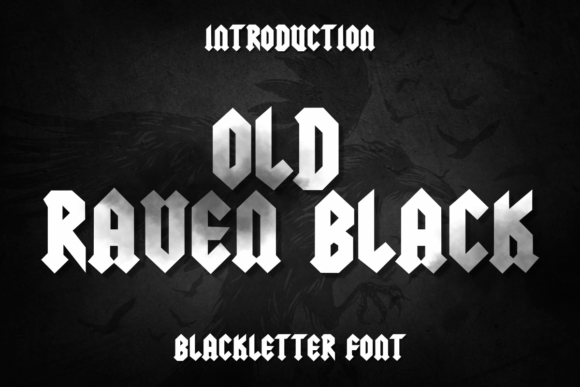
Old Raven Black: A Font That Commands Attention with Dark Elegance
Fonts are more than just letters—they're a form of expression. Some fonts whisper, others shout, and then there’s Old Raven Black. This blackletter typeface doesn’t just speak; it roars. With its sharp angles, heavy strokes, and Gothic structure, it’s a font that instantly commands presence. Whether you're designing a horror-themed poster or crafting the logo for a metal band, Old Raven Black delivers intensity and dark flair in equal measure.
Where to Use Old Raven Black
The beauty of Old Raven Black lies in its versatility within niche markets. It's not your everyday font, but when used correctly, it can elevate a design from ordinary to unforgettable. Here are some real-world situations where this font shines:
- Horror Movie Posters: The font adds an eerie, dramatic feel that complements blood-curdling visuals and suspenseful taglines. Its medieval vibe echoes classic horror aesthetics while the modern edge keeps it fresh for today’s audiences.
- Metal Band Logos: If you’re part of a metal group looking for a bold visual identity, Old Raven Black is a natural fit. It mirrors the genre’s aggressive sound and rebellious spirit without needing additional effects.
- Game Titles and Trailers: For fantasy RPGs, survival horror games, or any project with a dark theme, this font brings gravitas. It feels like something carved into stone or inked on ancient parchment—perfect for titles like "Dark Souls" or "The Witcher."
- Book Covers and Chapter Titles: Authors of historical fiction, gothic romance, or dark fantasy often turn to blackletter fonts to evoke a sense of timelessness. Old Raven Black does this effortlessly, especially when paired with muted tones or shadowy illustrations.
- Brand Identity for Niche Products: Think occult-inspired products, luxury skincare with a mysterious twist, or edgy fashion lines. Old Raven Black can help build a brand image that stands out and resonates with a specific audience.
Real-World Scenarios
Let’s dive into a few practical examples of how different users might apply Old Raven Black in their work:
- Independent Filmmakers: You're creating a short film about a cursed town in the 1800s. The title needs to reflect both history and dread. Old Raven Black offers the perfect balance—its structure suggests age and tradition, while the boldness signals danger and intrigue.
- Graphic Designers for Indie Games: Your client wants a game with a gritty, medieval atmosphere. Using Old Raven Black for the main title immediately sets the tone. Just make sure to pair it with legible secondary fonts for menus and dialogue boxes.
- Event Planners for Themed Parties: You’re organizing a Halloween event or a steampunk gathering. Invitations and signage need to capture the essence of the theme. Old Raven Black can add that touch of darkness and drama without being over the top.
- Artists Creating Gothic-Inspired Merchandise: Whether it’s t-shirts, hoodies, or vinyl records, this font works well as a focal point. It fits naturally on dark backgrounds and looks striking when outlined or filled with contrasting colors.
Who Benefits Most from Old Raven Black?
Old Raven Black isn't just a pretty face—it serves a purpose. Different professionals find value in it depending on their goals:
- Marketing Professionals: When targeting a demographic that values edginess and authenticity, this font can be a powerful tool. It speaks directly to fans of horror, fantasy, and alternative lifestyles.
- Creative Directors: In branding projects for entertainment companies or collectibles, Old Raven Black helps establish a strong visual hierarchy. It’s great for headlines or logos that need to cut through the noise.
- Content Creators on YouTube or Twitch: Streamers who focus on horror, gaming, or heavy metal can use this font in thumbnails, intros, and outros to create a cohesive and immersive experience for their viewers.
- Print Designers: Because of its high contrast and structured appearance, Old Raven Black performs exceptionally well in print. It's ideal for posters, flyers, and packaging that demand a tactile and visual impact.
Things to Consider Before Choosing Old Raven Black
Before jumping in with Old Raven Black, it's important to consider a few factors to ensure it aligns with your project’s needs:
- Legibility: While Old Raven Black is visually stunning, it can be challenging to read at smaller sizes. Always test it in context before finalizing layouts, especially if readability is a priority.
- Color Contrast: The font thrives on high contrast. White text on black backgrounds or dark shades on light ones will highlight its features best. Avoid using it on busy or low-contrast color schemes unless you're going for a specific effect.
- Target Audience: This font is most effective when your audience expects or appreciates a darker, more dramatic style. It may not resonate with general consumers or corporate settings, so match it to the right crowd.
- Usage Frequency: Due to its intensity, Old Raven Black is best reserved for key elements rather than body text. Overuse could lead to visual fatigue and dilute its impact.
Strengths and Limitations
No font is perfect for every situation. Understanding what Old Raven Black can and cannot do helps you leverage it effectively:
- Strengths:
- Its bold character makes it ideal for large-format designs.
- It carries a unique personality that sets it apart from sans-serif or serif alternatives.
- Works well with shadows, outlines, and other typographic treatments.
- Limitations:
- Not suitable for long paragraphs or small text due to its complex structure.
- May clash with minimalist or modern design styles.
- Requires careful pairing with complementary fonts to maintain balance in layout design.
How to Integrate Old Raven Black Into Your Projects
Using Old Raven Black successfully involves more than just selecting it from a menu. Here are some tips to help you integrate it into your design workflow:
- Use as a Headline: Let the font take center stage by applying it to titles, headers, or main slogans. Keep the rest of your design simple to let it breathe.
- Pair with a Subtle Font: Balance its intensity with a clean, neutral font for supporting text. Something like Helvetica or Lato works well for captions or descriptions.
- Experiment with Effects: Try layering it with textures like grunge brushes, adding drop shadows, or using metallic finishes to enhance its dramatic quality.
- Consider Licensing: Make sure you have the appropriate license for commercial use, especially if you're working on a product or service intended for sale.
Practical Examples in Action
To see how Old Raven Black can be applied, imagine these scenarios:
- A thriller book cover featuring the title in Old Raven Black against a stormy backdrop. The font enhances the mood without overshadowing the imagery.
- A metal album artwork where the band name is emblazoned in Old Raven Black, surrounded by cryptic symbols and dark textures. The font reinforces the music’s intensity.
- A retro-style festival poster for a haunted house attraction. The headline uses Old Raven Black, while details like location and time are in a simpler, lighter font for clarity.
Alternatives to Consider
While Old Raven Black is a standout choice for many projects, there are times when other fonts might serve better. Depending on your goal, you might explore options like:
- MedievalSharp: Another blackletter font with similar Gothic roots but slightly less weight.
- Blackadder ITC: Offers a whimsical yet dark aesthetic, great for vintage horror or fantasy themes.
- Bauhaus 93: If you want a modern alternative with angular edges, this could work well for digital interfaces or contemporary branding.
Choosing the right font means understanding the message you want to convey and the medium you're working with. Old Raven Black is excellent for high-impact visuals but may not suit all contexts.
Final Thoughts on Application
Old Raven Black is more than just a font—it’s a design statement. It brings a level of gravitas and intensity that few other typefaces can match. But like any bold choice, it requires thoughtful application. Consider the size, color, and context before using it, and always keep the audience in mind. When done right, it can transform your project from good to truly memorable.