Solid Fight: A Font with Strategic Strength for Impactful Design
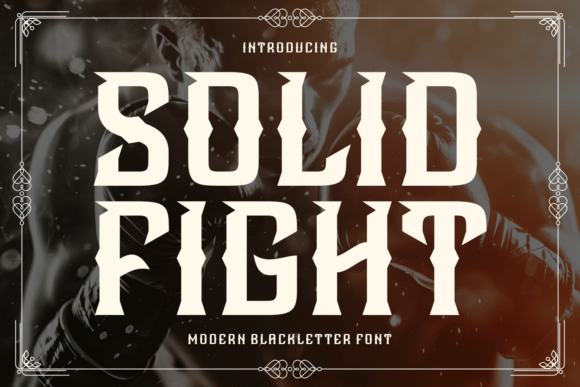
Fonts are more than just letters—they are strategic tools that shape perception, reinforce messaging, and elevate the visual impact of any design. Solid Fight, a striking modern blackletter font, is uniquely positioned to deliver power and presence in branding, marketing, and creative projects. With its sharp lines, angled cuts, and contemporary edge, Solid Fight stands out as a versatile choice for designers aiming to make bold statements. This article explores how to use it effectively, when it fits best, and what to consider before incorporating it into your work.
Understanding the Power of Solid Fight
Solid Fight combines the historical gravitas of blackletter typography with a fresh, dynamic aesthetic. Unlike traditional Gothic or Old English fonts, which can feel rigid or outdated, Solid Fight introduces a modern twist through its structured yet aggressive character shapes. Each letterform exudes strength and energy, making it ideal for contexts where authority and action are key. The font’s high contrast and angular features ensure readability while maintaining an intense visual appeal—especially in headlines and promotional materials.
For professionals in sports branding, event promotions, and streetwear design, this font serves as a powerful ally. It doesn’t just look good; it communicates values like resilience, determination, and boldness without the need for extra text. That’s why intentional use of Solid Fight can significantly enhance the effectiveness of your designs.
Strategic Use Cases for Solid Fight
Knowing when and how to deploy Solid Fight is essential to leveraging its full potential. Here are several scenarios where this font can add value:
- Sports Branding: From team logos to merchandise labels, Solid Fight conveys the spirit of competition and physical prowess. Its aggressive curves and thick strokes align well with athletic identities.
- Action-Themed Posters: Whether for a boxing match, martial arts event, or adrenaline-pumping film, this font commands attention and sets the tone for intensity.
- Streetwear and Urban Fashion: In an industry driven by attitude and identity, Solid Fight brings a raw, edgy quality that resonates with target audiences.
- High-Energy Campaigns: For digital ads, social media posts, or promotional banners, the font helps create urgency and excitement.
By matching the right message with the right typographic tool, you can strengthen your brand's voice and connect more deeply with your audience.
Planning Tips for Effective Typography Integration
Before using Solid Fight in your project, consider these planning strategies to ensure it aligns with your goals:
- Define the Purpose: Is the goal to inspire action, convey toughness, or simply stand out? Align the font’s characteristics with your core message.
- Understand Your Audience: Will they perceive the font as intimidating, empowering, or trendy? Research your demographic to avoid miscommunication.
- Balance with Other Elements: Pair Solid Fight with complementary fonts for body copy and supporting text. Using it solely for headlines or accents maintains legibility and hierarchy.
- Test Across Platforms: Ensure the font remains impactful whether viewed on mobile screens, billboards, or printed materials. High-contrast typefaces like Solid Fight often scale better in large formats.
Designing with Intent: How to Use Solid Fight Thoughtfully
Using a bold font like Solid Fight without clear intent can lead to overdesign or confusion. To harness its potential, apply it strategically within your layout. Consider the following examples:
- Boxing Promotions: A poster announcing a championship fight might feature “CHAMPIONSHIP NIGHT” in Solid Fight at a large size, drawing the eye immediately and setting a competitive mood.
- Urban Retail Signage: A boutique selling combat gear could use the font for storefront signage to signal strength and purpose without being overly aggressive.
- Digital Campaigns: A fitness influencer launching a new training program might incorporate the font in their Instagram post header to reflect discipline and drive.
In each case, the font supports a broader strategy—whether reinforcing a brand identity or enhancing user engagement. The key is ensuring that every element in the design works together cohesively.
Risks of Random Use
While Solid Fight is undeniably powerful, it’s not universally appropriate. If used without context, it can clash with softer brand aesthetics or confuse the intended message. For instance, applying it in a corporate finance report would likely undermine professionalism and clarity. Similarly, if overused in body text, it may fatigue the reader due to its density and complexity.
Another risk lies in neglecting accessibility. Though visually striking, blackletter fonts can be harder to read for some audiences. Always test your design for legibility and consider alternative fonts for smaller text sizes or longer paragraphs.
Positioning and Communication: Making Every Letter Count
Typeface selection is a form of positioning. Just as brands choose colors and imagery to represent their identity, choosing a font like Solid Fight signals a specific personality and purpose. When used correctly, it enhances communication by amplifying the emotional weight of the message.
Consider a logo design for a new mixed martial arts gym. A clean sans-serif font might suggest minimalism but lack the necessary punch to embody the gym’s ethos. By contrast, Solid Fight can communicate both heritage and innovation, helping establish credibility while appealing to a younger, energetic crowd.
To maximize impact, pair the font with strong visual elements such as high-contrast backgrounds, dark tones, or dynamic motion graphics. These combinations help the font perform at its best and maintain a consistent theme across all platforms.
Long-Term Value in Branding and Operations
A well-chosen font contributes to long-term brand recognition. Think about iconic logos and slogans that rely on typography alone to evoke emotion and familiarity. Solid Fight can play a similar role if integrated consistently into your visual identity system.
When building a brand from scratch, selecting a font that reflects your mission and values is crucial. If your business centers around empowerment, resilience, or urban culture, Solid Fight can become a signature element. However, it should be part of a broader design language that includes secondary fonts, color palettes, and iconography to maintain harmony and scalability.
Internally, this font can also influence operations. From packaging design to internal signage and marketing collateral, a cohesive typographic approach streamlines decision-making and ensures that every piece reinforces the same message. This consistency builds trust and recognition over time.
Practical Examples of Solid Fight in Action
Let’s explore real-world applications to understand how Solid Fight can be used intentionally:
- Product Packaging: A line of protein supplements targeting athletes could use Solid Fight for product names to emphasize performance and muscle growth.
- Event Invitations: An underground wrestling show might feature the font in the title to create a sense of grit and authenticity.
- Website Headers: A personal trainer’s website could leverage the font for service titles like “Power Training” or “Combat Conditioning,” instantly signaling intensity and focus.
Each example demonstrates how the font can serve a functional purpose beyond aesthetics—it can guide behavior, set expectations, and build emotional resonance.
Decision-Making Guidance for Creative Professionals
As a designer or marketer, your choices should always support the bigger picture. When deciding whether to use Solid Fight, ask yourself:
- Does this font align with the brand’s core message?
- Will it resonate emotionally with the target audience?
- Is it scalable and readable across different mediums?
- Can it be paired effectively with other design elements?
If you’re designing for a luxury brand, for example, Solid Fight might not fit unless the brand embraces a rebellious or avant-garde identity. But for a startup in the fitness or entertainment space, it could be a game-changer.
Enhancing Creativity and Productivity Through Typography
Typography isn’t just about style—it’s a productivity tool. Choosing a font like Solid Fight can streamline your creative process by eliminating the need for multiple visual cues. The font itself carries meaning, allowing you to focus more on content and less on compensating for weak visuals.
Additionally, having a go-to font for high-energy campaigns can save time during project execution. Once vetted and approved, it becomes a reliable asset that reduces back-and-forth revisions and improves workflow efficiency. This is especially valuable for entrepreneurs and small business owners who juggle multiple responsibilities and need tools that simplify rather than complicate.
Learning from Experience: Best Practices
Seasoned designers know that font usage is a skill developed over time. Here are a few insights to guide your learning:
- Use Solid Fight sparingly to avoid overwhelming the viewer. Let its strength shine in key areas rather than diluting its effect.
- Experiment with spacing and alignment. Blackletter fonts often benefit from tighter tracking and centered layouts to enhance their authoritative feel.
- Combine with contrasting fonts for balance. A minimalist sans-serif can provide a clean backdrop, allowing Solid Fight to take center stage without causing visual clutter.
By observing how top-tier designers apply similar typefaces in successful campaigns, you can refine your own approach and make more informed decisions.
Beyond the Surface: Positioning and Emotional Impact
Fonts have the ability to position your brand in a unique way. Solid Fight is particularly effective at conveying confidence and boldness. It’s not just loud; it’s assertive. This makes it a great choice for startups looking to disrupt markets or established brands wanting to reposition themselves as more daring.
Emotionally, the font taps into themes of struggle, victory, and transformation. In the right context, it can help tell a story without words. For instance, a documentary about underdog athletes might open with a title card in Solid Fight, instantly capturing the essence of perseverance and grit.
How to Evaluate Before Committing
Before finalizing Solid Fight as your primary font, evaluate its suitability based on the following criteria:
- Message Clarity: Does the font allow your message to be understood quickly and clearly?
- Brand Alignment: Does it reflect the values and personality of your brand?
- Technical Performance: Is it available in the correct weights and styles for your needs? Can it be embedded or used in print without issues?
- Competitive Differentiation: Does it help your brand stand out compared to competitors?
These checks ensure that you're not just chasing trends but making calculated decisions that align with your long-term vision.
Conclusion: Use Solid Fight with Purpose
Solid Fight is more than a stylish font—it’s a strategic design choice with the potential to enhance communication, strengthen branding, and drive engagement. When used thoughtfully, it can amplify your message and resonate with audiences who respond to bold, confident visuals.
However, success with Solid Fight depends on clarity of purpose, alignment with brand identity, and technical awareness. Avoid using it randomly or in situations where it doesn’t serve a clear function. Instead, let it be a tool that elevates your work and supports your goals.
Whether you’re promoting a new product, launching a campaign, or designing for a niche market, consider how Solid Fight can bring your message to life with strength and intention.