Understanding Hate Crime: Characteristics, Applications, and Design Considerations
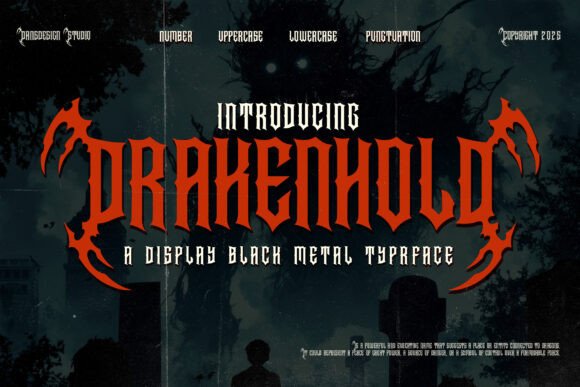
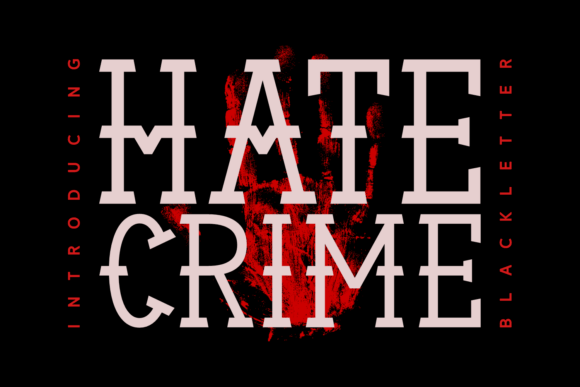
Hate Crime is a bold and edgy blackletter-inspired display font that merges gothic aesthetics with modern structural elements. Designed for high-impact visual communication, it features sharp lines, aggressive geometry, and a dramatic presence that immediately grabs attention. This typeface is particularly well-suited for album covers, horror-themed projects, metal band branding, and rebellious editorial layouts where intensity and emotion are key.
What Makes Hate Crime Unique?
The defining characteristic of Hate Crime lies in its fusion of historical blackletter styles with contemporary design principles. Traditional blackletter fonts, often associated with medieval manuscripts or formal German typography, typically feature intricate letterforms and a more ornate appearance. In contrast, Hate Crime strips away much of the ornamentation while retaining the angularity and weight typical of the genre. The result is a font that feels both classic and cutting-edge—ideal for modern applications that still require a sense of gravitas or rebellion.
Its aggressive geometry sets it apart from other display fonts. Unlike serif or sans-serif fonts that prioritize readability across long texts, Hate Crime is optimized for short bursts of text where impact matters most. The heavy strokes and pointed serifs contribute to an air of menace and defiance, making it especially effective in contexts like music posters, event flyers, and thematic web headers.
Comparing Hate Crime to Other Display Fonts
When choosing a display font for high-intensity designs, it's important to consider how Hate Crime stacks up against similar options. For example, fonts like Bebas Neue or Impact are also popular for their strong visual presence but take a different stylistic approach. These are typically sans-serif fonts that offer clarity at large sizes but lack the gothic depth and emotional resonance that Hate Crime provides.
Fonts such as Krungthep or Volkorn, which blend traditional and modern styles, may appear more versatile due to their legibility and subtlety. However, they don’t deliver the same level of raw energy or dramatic flair as Hate Crime. On the other hand, when compared to purely decorative or script fonts, Hate Crime offers better balance between style and structure, allowing it to be used effectively without appearing overly chaotic or difficult to read.
Strengths of Hate Crime
- Strong Visual Impact: The font’s bold construction ensures it stands out in any design context.
- Emotional Expression: Ideal for conveying themes of anger, defiance, or darkness.
- Thematic Versatility: Works well for subcultures like punk, metal, horror, and alternative fashion.
- Modern Gothic Aesthetic: Offers a fresh take on blackletter design without feeling outdated.
Potential Limitations
- Readability Concerns: Due to its aggressive style, it’s not recommended for body text or extended reading material.
- Color and Background Sensitivity: Its dark, heavy nature can clash with certain color schemes or busy backgrounds if not carefully paired.
- Limited Character Set: Some versions may lack extensive language support or special characters, depending on the provider.
Best-Fit Situations for Hate Crime
Hate Crime excels in environments where the goal is to create a powerful first impression. It’s frequently used in the following scenarios:
- Album Covers and Music Branding: Particularly favored by metal, hardcore, and alternative bands seeking to communicate intensity and edge.
- Event Posters and Promos: Effective for concerts, festivals, or themed events that want to evoke a sense of urgency or danger.
- Editorial Layouts: Used in magazine headlines, book titles, or article banners to set a tone of seriousness or rebellion.
- Horror and Thriller Media: Its ominous look complements movie titles, game logos, or promotional materials for darker genres.
Realistic Examples of Use
Imagine a concert poster for a local metal band performing at a small venue. Using Hate Crime for the headline would instantly convey the band’s aggressive sound and the energetic atmosphere expected at the show. Similarly, a film festival promoting a lineup of horror movies might use this font to highlight the names of featured films, creating a unified and intense visual theme.
In print media, a zine dedicated to counterculture topics could use Hate Crime for its title and section headers, reinforcing the publication’s edgy content and aesthetic. Online, it could serve as the main heading for a blog post about social justice issues, helping to underscore the gravity of the subject matter.
Alternatives and When to Choose Them
While Hate Crime is excellent for high-energy visuals, there are situations where alternative fonts might be more appropriate. For instance, if you’re designing a brand identity for a tech startup or a minimalist website, this font would likely feel out of place. Instead, cleaner sans-serif fonts like Montserrat or Roboto would align better with those goals.
For designers working in more traditional or formal settings, such as academic publications or corporate reports, a structured serif font like Georgia or Cambria would be a safer choice. These fonts prioritize clarity and professionalism over emotional impact.
If your project requires a font that leans into the gothic style but needs more versatility, you might explore alternatives like Futura Bold or Audiowide. These fonts maintain a strong visual identity but offer smoother integration into various design formats.
Design Pairings That Work Well
To maximize the effectiveness of Hate Crime, consider pairing it with contrasting fonts that balance its intensity. A common strategy is to use a clean, sans-serif font like Helvetica Neue or Open Sans for supporting text. This allows the boldness of Hate Crime to shine while ensuring the rest of the design remains legible and functional.
Another successful combination involves using a softer, handwritten-style font for subtitles or taglines. This contrast helps draw the eye toward the primary message while adding a touch of individuality to the layout.
Evaluating the Right Font for Your Project
Choosing the right font depends heavily on the tone and purpose of your project. If you're aiming for something loud, rebellious, or thematically intense, Hate Crime is a strong contender. However, it’s essential to ask yourself a few key questions before finalizing your decision:
- Is the font going to be used primarily for headlines or short phrases?
- Will the background or color palette allow the font to stand out clearly?
- Does the font align with the overall aesthetic and messaging of the project?
- Do I need a font that supports multiple languages or has a broad character set?
Answering these questions will help you determine whether Hate Crime is the best fit or if another font might serve your needs more effectively.
Why Consider Hate Crime for Specific Projects?
Hate Crime is not just another display font—it’s a tool for storytelling through typography. Its design choices reflect a deep understanding of what makes gothic-inspired fonts effective in modern contexts. By combining the weight and drama of blackletter with the clean edges of contemporary typefaces, it bridges the gap between tradition and innovation.
This font is especially valuable when you want to create a visceral reaction. Whether it's for a band logo that needs to scream intensity or a horror movie title that should send shivers down the spine, Hate Crime delivers. It’s also useful in editorial contexts where the message is serious or provocative, and the visual presentation must match the tone.
When to Avoid Hate Crime
Despite its strengths, Hate Crime isn’t suitable for every project. Avoid using it in the following cases:
- Long Text Passages: Its complexity and heaviness make it unsuitable for paragraphs or anything requiring easy reading.
- Professional or Corporate Settings: Unless you're intentionally creating a disruptive or avant-garde look, stick to more conventional fonts.
- Projects Requiring Accessibility: High-contrast, sans-serif fonts are generally more accessible for people with visual impairments.
How to Access and Use Hate Crime
Obtaining Hate Crime typically involves purchasing or licensing it from a font foundry or digital marketplace. Once acquired, it can be easily installed on most operating systems and integrated into design software like Adobe Illustrator, Photoshop, or online tools like Canva. Be sure to review the license agreement to understand usage rights, especially for commercial purposes.
When implementing Hate Crime in your work, keep in mind that it works best when given ample white space. Overcrowding the layout with too many heavy elements can diminish its effect. Also, pay attention to color choices—lighter tones or gradients may enhance the font’s readability and visual appeal.
Final Thoughts on Choosing the Right Font
Selecting a font like Hate Crime is about aligning form with function. While it’s not the most versatile option in every scenario, it’s uniquely positioned to deliver a powerful visual message in the right context. Before committing, test it in real-world mockups to see how it interacts with other design elements and whether it enhances or hinders your intended message.
Ultimately, the best font is one that serves the purpose of the design. Hate Crime is a compelling choice when intensity and emotion are required, but it’s always wise to compare it with other fonts to ensure it fits your specific needs.