Barfun Font: A Bold Blend of Gothic Heritage and Modern Edge
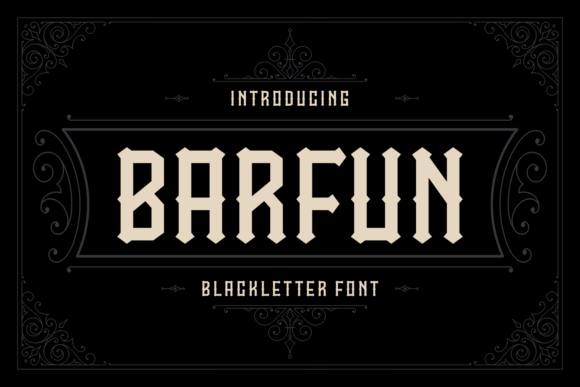
Typography plays a crucial role in design, shaping how audiences perceive brands, messages, and visual content. One font that stands out for its striking combination of historical inspiration and contemporary attitude is Barfun. This bold and angular blackletter typeface draws from traditional Gothic typography but adds a modern twist with sharp geometric lines and rigid structure. Understanding when and how to use Barfun can help designers make more informed choices, especially when aiming to evoke a sense of rebellion, authenticity, or heritage.
What Is Barfun?
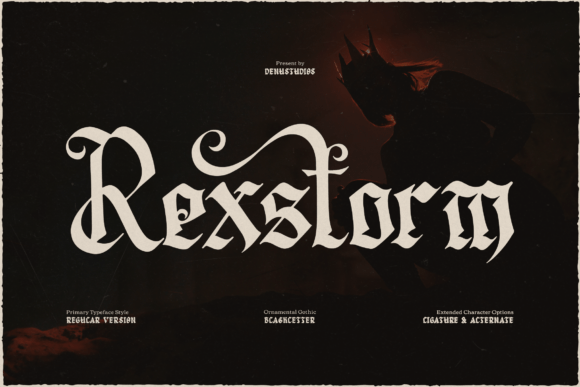
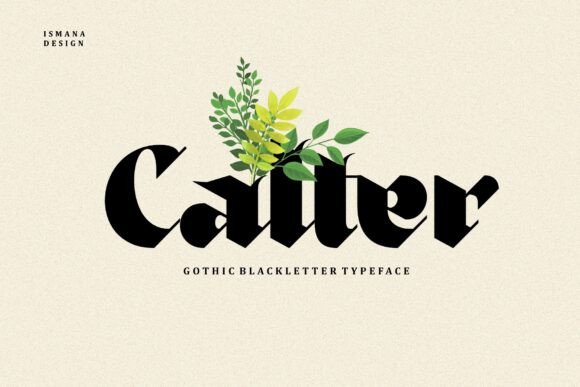
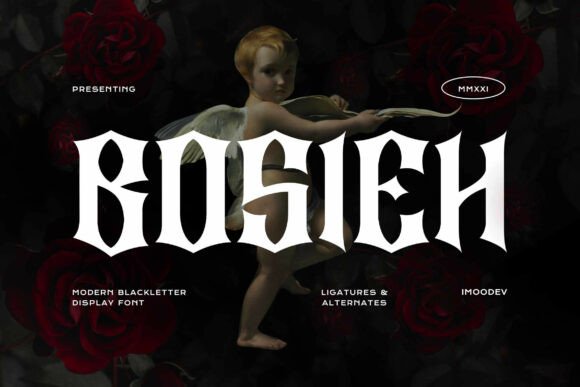
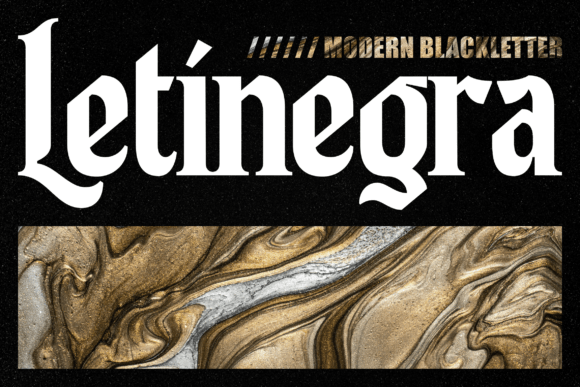
Barfun is a blackletter font, part of the broader category of Gothic-style typefaces that originated in medieval Europe. These fonts are known for their ornate, calligraphic forms and dense, heavy strokes. However, Barfun takes this classic aesthetic and refines it with clean, angular features and a strong, assertive character. The result is a typeface that balances the elegance of historical script with a rugged, edgy modernity.
This font is particularly well-suited for applications where a powerful visual statement is needed. Its pointed edges and structured form lend themselves to high-impact uses such as logos, headlines, posters, and packaging. Whether you're designing for a vintage label, a craft beer brand, or a rock band’s merchandise, Barfun offers a unique blend of old-world charm and contemporary flair.
Why Consider Barfun?
If you're looking for a font that conveys strength and individuality, Barfun might be an appealing choice. It's designed for those who want to break away from standard sans-serif or serif options and instead create something memorable with a distinct personality. Here are some reasons why people choose Barfun:
- Vintage Appeal: Barfun taps into the rich history of Gothic lettering, making it ideal for projects seeking a nostalgic or retro vibe.
- High Contrast and Readability: Despite its bold nature, the clear differentiation between thick and thin strokes helps maintain legibility in certain contexts.
- Strong Brand Identity: For industries like music, alcohol, or fashion, Barfun provides an aggressive yet timeless look that reinforces brand character.
- Customization Potential: With its distinctive shapes and style, the font allows for creative adaptations, such as layering, distressing, or pairing with complementary scripts.
Benefits and Tradeoffs of Using Barfun
Like any font, Barfun has its advantages and limitations. Weighing these factors can help determine if it's the right fit for your project.
Benefits
- Attention-Grabbing: The angular, dramatic style of Barfun makes it stand out instantly, which is valuable for branding and promotional materials.
- Authentic Feel: Its roots in Gothic typography give it an air of tradition and craftsmanship, often associated with authenticity in design.
- Flexibility in Use: While best suited for short text elements like logos and headlines, Barfun can also work creatively in longer formats when styled appropriately.
Tradeoffs and Considerations
- Readability Limitations: Due to its condensed and stylized letterforms, Barfun may not be ideal for body text or large blocks of information. Its readability decreases at smaller sizes or in complex layouts.
- Context Sensitivity: The font’s aggressive and angular style can clash with softer, minimalist, or elegant design aesthetics. It works best in environments that embrace its boldness.
- Learning Curve: Blackletter fonts can be challenging to read for some audiences, especially those unfamiliar with Gothic styles. This can impact accessibility and clarity in communication.
Situations Where Barfun Excels
Barfun shines in specific design scenarios where its characteristics align with the desired outcome. If your goal is to communicate a sense of power, rebellion, or heritage, then this font could be a strong contender. Below are typical use cases where Barfun is a great fit:
- Branding for Craft Breweries: Barfun’s edgy yet timeless feel complements the identity of many craft beer labels, especially those inspired by European traditions.
- Music and Rock Band Merchandise: The font’s commanding presence suits the energetic and rebellious tone often found in rock and metal genres.
- Tattoo Designs: With its intricate and symbolic appearance, Barfun is frequently used in tattoo art to convey meaning through strong typographic elements.
- Bar Signage and Vintage-Inspired Logos: The font’s angular structure and dark, imposing style make it suitable for signage that needs to be both visible and impactful.
- Poster Design and Packaging: When used in larger formats, Barfun can add drama and visual interest to posters or product packaging, especially for niche or artisanal products.
When Alternatives Might Be Better
While Barfun is visually compelling, it's not always the most practical option. There are situations where other fonts may serve your purpose better. Consider alternatives if:
- You need a font that supports long-form readability, such as in books, articles, or websites with extensive text.
- Your audience includes older readers or international users who may struggle with blackletter styles due to familiarity or language differences.
- The overall design requires a cleaner or more modern aesthetic, and Barfun feels too heavy or disruptive to the balance.
- You’re working on a corporate or professional context where subtlety and clarity take precedence over stylistic bravado.
In these cases, exploring other typefaces—such as sleek sans-serifs or refined serifs—could yield a more effective and user-friendly result.
How to Decide If Barfun Is Right for You
Choosing the right font depends on understanding your goals, your audience, and the message you want to convey. Here are some practical insights to guide your decision:
- Define Your Project’s Purpose: Ask whether you need a font for functional communication or for creating a strong visual impression. Barfun is more about the latter.
- Consider the Context: Will the font appear in digital formats, print, or both? How much space will it occupy? Barfun is most effective in headlines and logos, where its impact can be fully appreciated.
- Test for Legibility: Before finalizing, test Barfun in different sizes and on various devices. Ensure that it doesn’t hinder the reader’s ability to understand the message.
- Evaluate Accessibility: Keep in mind that blackletter fonts can be harder to read for some individuals. If accessibility is a priority, consider using Barfun sparingly or as an accent rather than primary text.
- Balance with Other Elements: Pair Barfun with simpler, neutral fonts to avoid overwhelming the design. Let it play a supporting role if necessary, rather than dominate every element.
Conclusion
Barfun is a typeface that brings a unique energy to design projects. Its bold, angular structure and historical influences make it a standout option for branding and graphic design where a touch of rebellion and heritage is desired. However, it’s essential to recognize its limitations—particularly in terms of readability and versatility—and assess whether it aligns with your specific needs.
For those working in industries like music, alcohol, or entertainment, Barfun can be an excellent way to inject personality into a design. But for more general or professional settings, alternative fonts may offer a better return on investment in terms of clarity and usability. Ultimately, the decision to use Barfun should be based on a thoughtful evaluation of your goals, audience expectations, and the overall design strategy.