Calter Font: A Bold Gothic Typeface for Modern Design
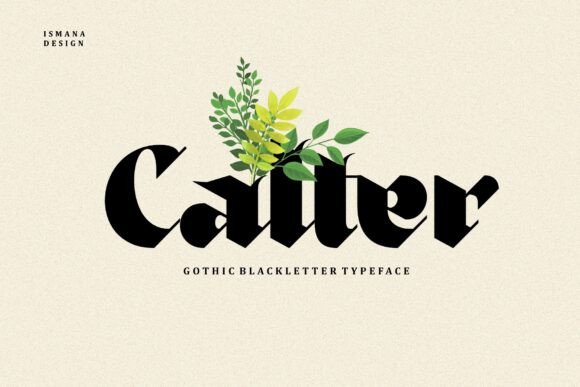
If you're looking to make a strong visual statement with your typography, the Calter font is an excellent choice. This bold and commanding Gothic Blackletter typeface brings together the weight of historical calligraphy and the clarity of contemporary design. Its angular strokes and thick-and-thin contrast create a striking presence that immediately grabs attention. Whether you're designing a logo, creating album art, or crafting eye-catching posters, Calter adds a touch of authenticity and drama that stands out in any medium.
The Unique Characteristics of Calter
What sets Calter apart from other fonts is its ability to balance tradition with modernity. The font's roots lie in Blackletter script, a style popular in medieval Europe for manuscripts and official documents. But instead of feeling outdated, Calter has been refined with a clean edge that makes it accessible for today’s designers. It features:
- Angular Strokes: Sharp, deliberate lines give it a structured and powerful look.
- Dramatic Contrast: Thick and thin lines enhance readability while maintaining visual impact.
- High-Contrast Display Style: Ideal for headlines, titles, and logos where boldness matters most.
- Contemporary Adaptability: Works well alongside modern design elements like minimalist layouts or nature-inspired motifs such as foliage.
Why Designers Love Using Calter
Designers across industries are turning to Calter because it speaks volumes without saying much. Its strong character evokes a sense of authority and heritage, which can be incredibly valuable when building a brand identity. For businesses aiming to project strength or creativity, this font can serve as a silent but powerful ambassador. In creative fields like music, fashion, and film, Calter helps communicate themes of rebellion, legacy, or mystique with ease.
Practical Uses for the Calter Font
Calter shines brightest when used in display contexts. Here are some real-world applications where it truly excels:
- Logos and Branding: Use Calter for a logo that feels both classic and cutting-edge. It’s especially effective for brands in the arts, craft beer, or vintage-inspired niches.
- Album Covers and Music Art: Bands and artists seeking an edgy, dramatic aesthetic often choose Calter for its intense visual energy and memorable letterforms.
- Merchandise and Apparel: From t-shirts to hoodies, Calter adds a unique flair that appeals to fans of bold designs and historical aesthetics.
- Posters and Advertising: Whether promoting a theatrical production or a high-energy event, Calter commands attention and conveys urgency.
- Packaging and Labels: If your product needs a label that feels premium or handcrafted, Calter delivers that gravitas with every letter.
How to Incorporate Calter into Your Projects
Using Calter effectively requires thoughtful pairing and context. Because it’s a display font, it works best at larger sizes and should generally avoid being used for long blocks of text. To highlight its versatility, try combining it with softer sans-serif or serif fonts for body copy. Pairing it with organic elements—like botanical illustrations or weathered textures—can also help ground the design and add depth.
Here are a few beginner-friendly examples to get started:
- Create a vintage-style poster for a local theater performance using Calter for the title and a simple sans-serif for supporting details.
- Use Calter on a limited-edition clothing line to evoke a gothic or artisanal vibe.
- Design a custom album cover by layering Calter over abstract background patterns or dark gradients.
Who Should Consider Using Calter?
Calter is perfect for those who want their designs to stand out with a strong personality. This includes:
- Graphic Designers: Especially those working on branding or print media projects that benefit from a timeless yet modern feel.
- Entrepreneurs and Small Business Owners: Looking to build a unique brand image that resonates with customers seeking something different.
- Bloggers and Content Creators: Wanting to add visual punch to headers or featured content sections.
- Marketers and Advertisers: Seeking to create compelling visuals for campaigns that need a bold, dramatic tone.
- Educators and Historians: Creating educational materials or presentations with a thematic connection to history, literature, or European culture.
Important Things to Consider Before Choosing Calter
While Calter is visually stunning, it's not always the right fit. Here are a few things to keep in mind before incorporating it into your work:
- Readability: Due to its ornate structure, Calter isn’t suited for small text or body copy. Always use it for headlines, logos, or short impactful phrases.
- Tone and Context: The font has a strong, sometimes serious demeanor. Make sure it aligns with the message you're trying to convey. It might not be ideal for lighthearted or playful designs.
- Pairing Options: Think about how it will complement other fonts in your layout. A modern, neutral font can help balance its intensity.
- Color and Background: Calter looks best against solid or subtly textured backgrounds. Avoid overly busy or light-colored backdrops that may diminish its impact.
Bringing History and Modernity Together
Fonts like Calter bridge the gap between past and present. While it retains the essence of traditional Blackletter styles, its modernized forms ensure it doesn't fall into the trap of being too difficult to read or aesthetically heavy. This duality allows it to appeal to both purists who appreciate the craftsmanship of old-world typography and contemporary designers who value clean, adaptable tools.
Its historical gravitas can be particularly useful in niche markets such as:
- Apparel brands inspired by heritage or subcultures (e.g., steampunk, fantasy, or punk).
- Music genres that lean into storytelling or atmosphere, such as metal, folk, or experimental rock.
- Book covers and literary branding that aim to evoke a certain mood or time period.
Calter in the Digital Age
In today’s fast-paced digital world, making a lasting impression is key. Calter’s bold appearance ensures it cuts through the noise in online environments. When used for website headers, social media posts, or promotional banners, it can significantly boost engagement by drawing the viewer’s eye immediately.
One thing to note is that while Calter is designed for high-impact visibility, it may require additional spacing or styling adjustments to function optimally on smaller screens. Testing it across different devices and platforms is essential for ensuring it maintains its intended effect.
Where to Find and How to Use Calter
To start using Calter in your own projects, check out reputable font marketplaces like Adobe Fonts, Google Fonts, or independent foundries specializing in hand-drawn and historical typefaces. Once installed, you can begin experimenting with it in graphic design software such as Photoshop, Illustrator, or Figma.
For beginners, here’s a quick tip: Start by using Calter sparingly. Try it on one headline per page to maintain balance and prevent overwhelming the reader. You can also explore variations of the font—such as bold, italic, or condensed—if available—to match your specific design needs.
Final Thoughts on Calter
In summary, Calter is more than just a font—it’s a storytelling tool. With its sharp detail and unmistakable weight, it adds narrative depth to any visual piece. Whether you’re launching a new brand, designing a record sleeve, or simply wanting to elevate your next creative project, Calter offers a distinctive voice that’s hard to ignore.
Before finalizing your design choices, consider the message you want to send and whether Calter supports that intent. When used thoughtfully, it can become a signature element of your creative identity, helping you connect with audiences who appreciate both tradition and innovation.