Blamber: A Bold Typeface Merging Gothic Elegance and Modern Creativity
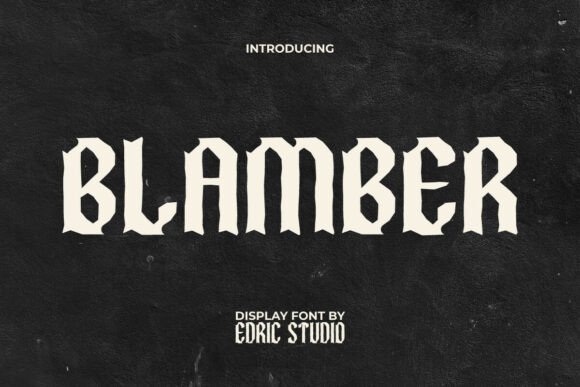
In the ever-evolving world of typography, finding a font that strikes the perfect balance between historical inspiration and modern usability can be challenging. Enter Blamber, a striking blackletter typeface that has been reimagined with a contemporary twist. Drawing from the rich visual language of Gothic lettering and the raw energy of 1960s rock ‘n’ roll album art, Blamber is more than just a font—it’s a design statement. With its angular characters, sharp serifs, and a weighty presence, it’s ideal for projects where impact and intrigue are essential.
The Evolution of Blackletter in Modern Design
Blackletter fonts, also known as Gothic or old English styles, have long been associated with tradition, mystique, and gravitas. Historically used in medieval manuscripts and early printed books, these fonts carry a sense of age and authority. However, while classic blackletters remain visually compelling, they often struggle with readability in today’s digital landscape.
Blamber addresses this challenge by simplifying the traditional form without losing its soul. It retains the bold, intricate structure of blackletter but introduces subtle refinements that make it suitable for a wide range of applications—from print to web. This evolution reflects a broader trend in design: the desire to blend heritage aesthetics with modern functionality. As brands and creators seek to stand out in saturated markets, fonts like Blamber offer a way to channel timeless themes into fresh, eye-catching visuals.
Grunge Influence and Rock ‘n’ Roll Inspiration
What sets Blamber apart from other blackletter-inspired fonts is its infusion of grunge elements. The mid-1960s was a pivotal era for rock music, marked by a rebellious spirit and a strong visual identity. Album covers from this period often featured dramatic, hand-drawn typography that resonated with the music’s intensity and emotion.
Blamber channels that same vibe. Its stylized alternate characters and rugged texture echo the artistic freedom and raw power found in vintage record sleeves. For designers working on heavy metal band logos, fantasy game titles, or dark-themed branding, this connection to musical history provides an added layer of authenticity and emotional resonance.
Why Blamber Fits Into Today’s Creative Landscape
Modern audiences crave depth and character in their visual experiences. Whether browsing social media, visiting a website, or reading a magazine, people are drawn to content that feels intentional and immersive. Typography plays a critical role in shaping this perception.
- Brand Differentiation: In crowded digital spaces, unique fonts help businesses and creatives carve out a distinct identity. Blamber’s gothic roots and stylized variations allow for expressive, memorable branding.
- Design Flexibility: Thanks to its PUA-encoded features, Blamber offers access to a variety of glyphs, swashes, and alternates—making it highly customizable. This adaptability supports creative exploration without compromising quality.
- Cross-Media Usability: From high-resolution print materials to responsive web designs, Blamber maintains clarity and impact. This versatility is especially valuable in today’s multi-platform marketing strategies.
As design trends continue to embrace retro-futurism and hybrid styles, Blamber aligns perfectly with the current appetite for fonts that bridge past and present. Its ability to evoke both nostalgia and innovation makes it a powerful tool for designers aiming to craft compelling narratives through typography.
Practical Applications of Blamber Font
While Blamber is undoubtedly bold, its practicality extends beyond just looking good. Here are some real-world examples of how it can elevate your work:
- Album Covers: Imagine a heavy metal band wanting to capture the essence of 1960s rock. Blamber’s gothic-meets-grunge aesthetic would immediately set the tone, making the cover feel both authentic and edgy.
- Fantasy Game Titles: For developers creating RPGs or adventure games, the font’s dark elegance and imposing structure lend themselves well to titles that need to convey epicness and lore.
- Historical Movie Posters: If you’re designing promotional material for a film about knights, wars, or ancient civilizations, Blamber adds a cinematic flair that resonates with audiences familiar with such genres.
- Event Invitations: Whether it's for a haunted house opening or a themed wedding, using Blamber ensures the invitation stands out and conveys the right mood before a single word is read.
- Dark Branding: Businesses in niche industries such as tattoo parlors, breweries, or boutique wineries can benefit from Blamber’s strong personality to reinforce their brand image.
Each of these uses demonstrates how Blamber can serve as a strategic element rather than just a decorative choice. When used appropriately, it enhances the overall experience and aligns with the project’s thematic goals.
How to Use Blamber Effectively
To truly harness the potential of Blamber, consider these best practices:
- Pick the Right Project: Blamber works best when contrasted against simpler supporting text. Avoid using it in large blocks of body copy where readability might suffer.
- Leverage Alternate Characters: Take advantage of the PUA-encoded glyphs to add visual interest and uniqueness to your designs. These extras allow you to create custom looks that reflect your creative vision.
- Pair Thoughtfully: Balance Blamber’s strong character with complementary sans-serif or serif fonts for secondary text. This ensures legibility while maintaining the font’s commanding presence.
- Test Across Media: Always preview Blamber in different contexts—print, web, mobile—to ensure it performs consistently. Adjust spacing and sizing as needed to optimize clarity.
By following these guidelines, you can integrate Blamber into your workflow seamlessly, ensuring it enhances rather than overwhelms your design. Remember, the goal is to use the font as a storytelling device, not just a stylistic flourish.
Typography Trends and the Rise of Stylized Fonts
Over the last decade, there has been a noticeable shift toward typographic experimentation. Designers are no longer limited to standard sans-serif or serif choices; instead, they're exploring bespoke and display fonts to differentiate their work. This trend is particularly strong in the realms of branding, entertainment, and digital content creation.
Fonts with character—like Blamber—are increasingly favored because they communicate mood and message quickly. In fast-paced environments where first impressions matter, a well-chosen font can be the difference between engagement and indifference. Blamber taps into this need by offering a look that’s both dramatic and digestible, allowing users to command attention without sacrificing clarity.
Blamber in Action: Real-World Examples
Let’s explore how Blamber could transform a few common design scenarios:
Example 1: Heavy Metal Band Logo
A new band named “Midnight Echoes” wants a logo that screams rebellion and power. Using Blamber for the band name paired with a jagged background and metallic accents gives the design a cohesive, impactful feel. The alternate characters add variation so each letter doesn’t look identical, enhancing the organic, handmade appearance typical of rock posters.
Example 2: Fantasy Board Game Packaging
A board game titled “Kingdom of Ash” needs packaging that evokes a mythical kingdom at war. Blamber’s gothic influence fits the theme perfectly, while its clean lines prevent it from feeling too cluttered. The result is a title that feels ancient yet accessible.
Example 3: Vintage-Inspired Coffee Shop Signage
A local café called “The Hollow Grind” uses Blamber for its signage to give the space a moody, artsy vibe. The font complements the rustic decor and handwritten menu notes, helping to create a cohesive brand identity rooted in creativity and community.
These examples highlight how Blamber can be adapted across industries and purposes. It’s not just about aesthetics—it’s about crafting an experience that aligns with your audience’s expectations and emotions.
Choosing the Right Tools for Customization
With any advanced font like Blamber, having the right tools is essential. Most professional graphic design software—including Adobe Illustrator, Photoshop, and InDesign—supports PUA encoding, allowing you to easily access all the font’s special characters and ligatures. Online font generators and CSS tools also enable web developers to incorporate Blamber into digital projects efficiently.
When using Blamber in web design, consider embedding it via Google Fonts or a similar service to maintain cross-browser compatibility. Pairing it with modern sans-serif fonts like Montserrat or Lato can create a dynamic contrast that highlights the font’s strength without overwhelming the reader.
For those who want even more control, font editors like Glyphs or FontForge provide deep customization options. These tools let you tweak individual characters or generate subsets tailored to specific design needs.
Why You Should Consider Blamber for Your Next Project
If you're looking to infuse your designs with a touch of history and a dash of rebellion, Blamber is worth exploring. Its thoughtful combination of blackletter heritage and modern usability positions it as a versatile asset in the designer’s toolkit. Whether you're crafting a brand identity, producing event materials, or developing a digital product, the font offers a way to connect with your audience on a deeper level.
Moreover, as design becomes more personal and experiential, fonts like Blamber help you tell stories through visuals. They don’t just present information—they evoke feelings and set the stage for what comes next.
Final Thoughts on Blamber and Typographic Impact
Typography is one of the most underappreciated yet influential aspects of design. Choosing the right font can define the tone of a project and shape user perceptions before they even read a single word. Blamber excels in this area by combining the gravitas of Gothic lettering with the flexibility of modern design tools.
As trends continue to favor fonts with character and history, Blamber stands out as a reliable option for professionals and hobbyists alike. Its ability to adapt to various contexts and deliver consistent results makes it a valuable addition to any designer’s collection. So whether you're launching a new brand, designing an album sleeve, or simply experimenting with creative typography, consider how Blamber can bring a bold, unforgettable edge to your work.