Broken Wishes: A Typeface for Creating Impactful and Atmospheric Designs
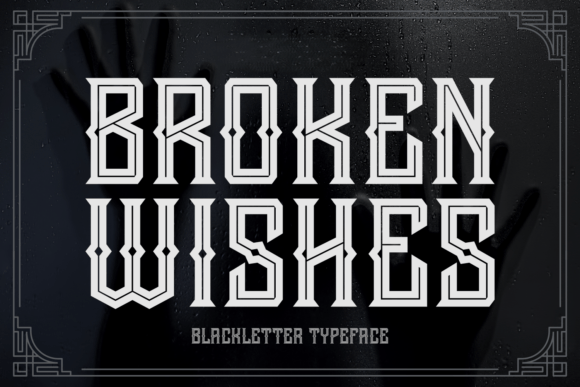
Fonts are more than just tools for communication—they are visual elements that shape the mood, tone, and overall impact of a design. For creators in industries like horror, dark fantasy, music branding, and gothic aesthetics, choosing the right typeface can be as crucial as selecting the right imagery or color palette. Broken Wishes is a sharp-edged blackletter typeface with a modern, geometric twist. Its tall, angular characters and clean double-line strokes deliver a dramatic and haunting aesthetic that immediately captures attention. This makes it an excellent choice for projects where atmosphere and intensity are key.
Understanding Broken Wishes and Its Design Philosophy
Broken Wishes draws inspiration from traditional blackletter styles but reinterprets them through a contemporary lens. The result is a font that retains the historical gravitas of Gothic lettering while introducing a fresh, structural edge. This duality allows designers to blend the old with the new, creating visuals that feel both timeless and cutting-edge. Whether used in print or digital formats, the typeface's bold presence ensures that text remains legible without sacrificing style.
The double-line stroke construction gives each character a layered depth, enhancing readability even at smaller sizes. However, it’s when Broken Wishes is scaled up that its true power emerges—making it ideal for headlines, titles, and focal points in posters, album covers, and book jackets. The angularity of the letters adds tension and a sense of unease, which aligns perfectly with genres that thrive on evoking strong emotions.
Where Broken Wishes Fits Into the Design Workflow
Integrating Broken Wishes into your design workflow requires thoughtful planning and execution. It works best in early stages of concept development, particularly when defining the visual identity of a project. Before diving into layout and composition, consider how this font will set the tone and whether it aligns with your creative goals.
During the design phase, Broken Wishes should be used selectively. Overuse can lead to visual fatigue and reduce its effectiveness. Pair it with sans-serif or serif fonts for contrast, especially in supporting text. In digital workflows, ensure compatibility by embedding the font properly or using web-safe alternatives if necessary. Tools like Adobe Photoshop, Illustrator, and InDesign support custom font integration seamlessly, allowing you to experiment with layering and effects.
After finalizing a design, evaluate how Broken Wishes contributes to the overall message. Does it enhance the mood? Is it consistent with the brand or theme? These reflections help refine your approach for future projects, ensuring that the font is used effectively rather than just impressively.
Use Cases for Broken Wishes in Real Projects
Here are several practical scenarios where Broken Wishes can make a difference:
- Horror Posters: Use the font for main titles or taglines to create a sense of dread and urgency.
- Dark Fantasy Titles: Pair Broken Wishes with atmospheric backgrounds and muted colors to evoke a mystical yet ominous vibe.
- Metal Band Branding: Incorporate the font into logos, album art, or promotional materials to reflect the genre's raw energy and rebellious spirit.
- Gothic-Inspired Visuals: Apply the font to fashion branding, event invitations, or packaging for products targeting niche markets.
For instance, when designing a poster for a horror film titled “The Hollow,” using Broken Wishes for the title instantly communicates the eerie and mysterious nature of the story. The font's structure complements imagery of shadows and decay, reinforcing the narrative before a single line of dialogue is read.
Workflow Example: Designing a Metal Album Cover
Imagine you're working on an album cover for a heavy metal band named "Ashen Veil." You want to emphasize the darkness and complexity of their sound. Here’s how you might integrate Broken Wishes into your workflow:
- Research & Concept: Look into the band's music, lyrics, and themes. Decide whether the font supports the desired mood.
- Sketch & Layout: Place the title prominently in the design, using Broken Wishes to anchor the visual hierarchy.
- Color & Texture: Add dark gradients or metallic textures to enhance the font's dramatic effect.
- Final Review: Check how the font interacts with other design elements and whether it remains legible across different platforms.
This process ensures that Broken Wishes is not just an afterthought but a core component of the design strategy.
Compatibility and Practical Tips for Implementation
Before using Broken Wishes, verify its compatibility with your software and output format. Most professional design applications handle custom fonts well, but it’s important to test how it appears across devices and screen resolutions. For web-based projects, consider converting the font to SVG or using Google Fonts or Adobe Fonts if they offer similar options.
When preparing files for print, always embed the font or convert text to outlines to prevent issues during production. For digital use, ensure the file size remains manageable, especially if multiple layers or animations are involved. Additionally, maintain consistency by limiting the number of variations or weights you use in a single project.
A useful tip is to pair Broken Wishes with simpler, neutral fonts for body text. This balance prevents the design from becoming overwhelming and keeps the focus on the most critical information. Also, consider spacing and alignment carefully—blackletter fonts often require more white space to avoid clutter.
Enhancing Usability and Quality Control
Usability is essential when working with any font, and Broken Wishes is no exception. While it excels in high-impact applications, it may not be suitable for long paragraphs due to its condensed form and complex shapes. Reserve it for headings, short phrases, and decorative accents to maximize clarity and maintain user engagement.
To maintain quality control, establish clear guidelines for how and when to use Broken Wishes within a project. Document these choices in your style guide to ensure consistency across all materials. If collaborating with others, communicate the intended role of the font so everyone aligns with the same vision.
Long-Term Integration and Asset Management
As part of a broader asset management system, organize Broken Wishes alongside other fonts, images, and templates. Label it clearly based on its purpose (e.g., "Dramatic Title Font – Horror/Metal") and store it in a shared library if working in a team environment. This practice saves time and reduces confusion when revisiting past projects or scaling content for new ones.
Consider licensing terms carefully before incorporating Broken Wishes into commercial work. Some fonts restrict usage in certain contexts, such as merchandise or mass media. Always confirm that the license supports your specific needs to avoid legal complications later.
Broken Wishes in Broader Creative Processes
Fonts play a subtle yet powerful role in storytelling and branding. When used correctly, Broken Wishes becomes more than just typography—it becomes a symbol of the narrative itself. For example, in a video game concept for a cursed forest, the title could appear in Broken Wishes to signal danger and mystery before players even interact with the world.
In educational or blog contexts, the font might be used sparingly in headers or section titles to create a memorable visual rhythm. This helps break up dense text blocks and guides readers through the content more effectively. Similarly, in marketing campaigns for niche brands or events, the font adds a unique flair that distinguishes the material from generic designs.
Observations on Style and Application
One of the most notable aspects of Broken Wishes is how it commands attention without being over-the-top. The angular forms and structured geometry give it a modern edge while maintaining the classic elegance of blackletter. This balance means it can appeal to both traditional and contemporary audiences.
Another observation is its adaptability. Through adjustments in weight, color, and spacing, Broken Wishes can shift from a subtle background element to a bold central feature. Experimentation with drop shadows, outlines, or gradient fills can further enhance its dramatic potential.
How to Choose the Right Context for Broken Wishes
While Broken Wishes is versatile, it thrives in environments that prioritize emotion and visual impact. Ask yourself these questions before committing to the font:
- Does the project benefit from a bold, attention-grabbing headline?
- Is there a need to evoke a sense of darkness, rebellion, or mysticism?
- Will the font remain readable across all mediums and sizes?
If the answer is yes to any of these, Broken Wishes could be a valuable addition to your toolkit. It's not a one-size-fits-all solution, but in the right context, it can elevate a design from functional to unforgettable.
Conclusion: Making Strategic Typography Choices
Typography is a strategic decision that influences how audiences perceive your work. Broken Wishes offers a compelling option for those seeking to infuse their designs with drama, tension, and a touch of the macabre. By understanding its strengths and limitations, and integrating it thoughtfully into your workflow, you can harness its full potential without compromising usability or cohesion.
Whether you're crafting a horror movie poster, designing a music album, or developing a gothic-themed website, Broken Wishes provides a strong foundation for impactful visual storytelling. Used wisely, it becomes more than a font—it becomes a voice for your message.