Exploring Sylterina and Slyterina: A Gothic Typeface with Vintage Elegance
Sylterina and Slyterina are names that might not be familiar to many, but when it comes to typography, they represent something truly unique. These two typefaces belong to the bold blackletter family, known for their gothic flair and vintage elegance. Designed to evoke a sense of history while fitting seamlessly into modern design needs, Sylterina and Slyterina offer an intriguing blend of old-world charm and contemporary utility.
What is a Blackletter Typeface?
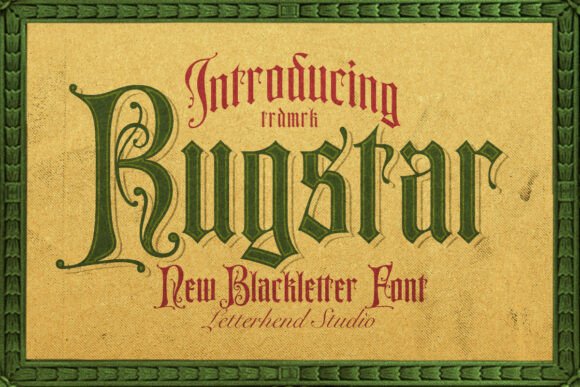
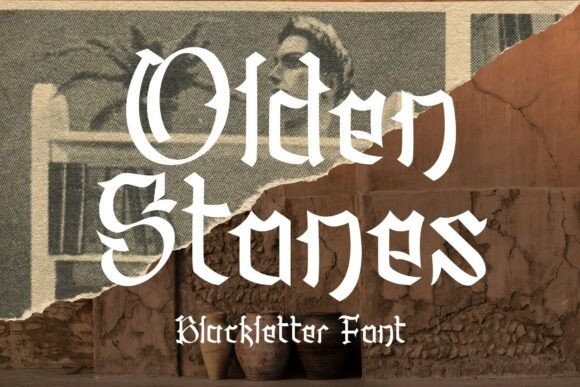
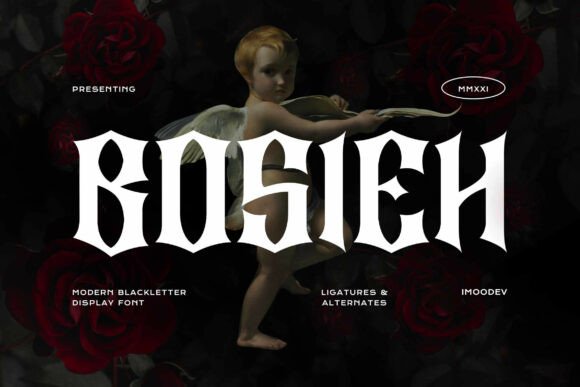
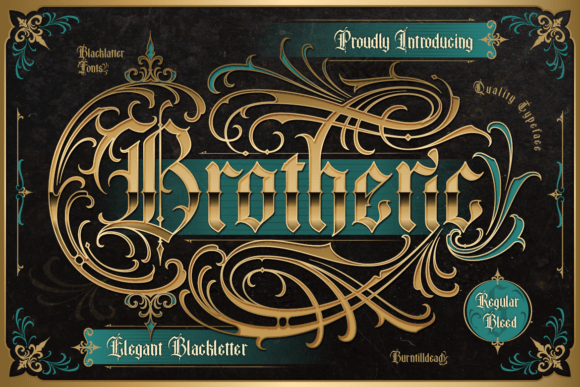
Before diving deeper into Sylterina and Slyterina, it’s important to understand what a blackletter typeface is. Also known as Gothic or Old English script, blackletter fonts are characterized by their dense, angular strokes and ornate letterforms. Originating in medieval Europe, these typefaces were commonly used in handwritten manuscripts and early printed books before transitioning into decorative styles used today in branding, art, and design.
The revival of blackletter fonts in recent years has been driven by their dramatic visual appeal. They bring a strong sense of identity and can convey themes like tradition, rebellion, mystique, or sophistication depending on how they're used. This makes them particularly popular in niches such as heavy metal music, historical fiction, and high-end fashion branding.
The Unique Identity of Sylterina and Slyterina
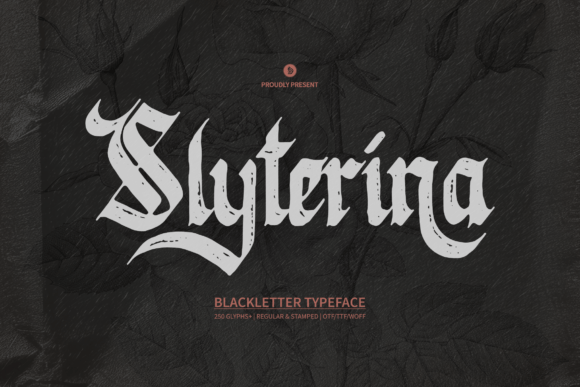
Sylterina and Slyterina stand out among other blackletter typefaces due to their distinctive features. Both fonts are designed with sharp edges and deep serifs that echo the architectural style of gothic structures. The “Sylterina” version typically refers to the standard, more refined blackletter style, while “Slyterina” often represents a bolder, stamped variant — ideal for creating impactful designs without losing legibility.
These fonts are part of a growing trend where designers seek to combine historical aesthetics with digital adaptability. Sylterina and Slyterina are crafted to perform well across various media, from print to web, making them versatile tools for creative professionals.
Purpose and Significance in Modern Design
In today's fast-paced digital world, typography plays a critical role in capturing attention and conveying brand personality. Sylterina and Slyterina serve a specific purpose in this landscape by offering a visual language rooted in the past yet adaptable to present-day applications.
- Tattoo Designs: Artists often use Sylterina and Slyterina for tattoo lettering because of their bold presence and intricate details. These fonts allow for expressive, meaningful tattoos that resonate with both personal and cultural significance.
- Heavy Metal Artwork: The dark, edgy nature of these typefaces aligns perfectly with the aesthetic of heavy metal bands and album covers. Their ability to command attention while maintaining readability makes them a favorite in the genre.
- Posters and Event Banners: Whether promoting a festival, concert, or exhibition, Sylterina and Slyterina add a touch of drama and authenticity. They help create posters that don’t just inform but also intrigue and captivate the viewer.
- Book Covers: For genres like fantasy, horror, or historical novels, using Sylterina or Slyterina can enhance the cover's storytelling potential. The font’s gothic roots naturally lend themselves to narratives steeped in mystery or the supernatural.
- Branding and Logos: Businesses aiming to project strength, heritage, or exclusivity find these fonts incredibly useful. From luxury goods to craft breweries, the right blackletter font can set a tone and build a lasting impression.
Why Choose Sylterina or Slyterina?
With over 250 glyphs, Sylterina and Slyterina provide extensive character support, including ligatures, alternate forms, and stylistic sets. This depth allows for greater customization and creativity, especially in projects requiring a unique typographic signature.
One of the key advantages of these fonts is their dual-style offering. The regular version is elegant and detailed, perfect for situations where subtlety meets strength. The stamped style, on the other hand, is more aggressive and minimalist, suitable for bold headlines or short text elements that need to punch through the noise visually.
Designers who work with these fonts appreciate their balance between formality and edge. Unlike some blackletter scripts that are too ornate for practical use, Sylterina and Slyterina manage to retain their vintage essence while staying functional in diverse contexts.
How to Use Sylterina and Slyterina Effectively
To get the most out of Sylterina and Slyterina, it's essential to pair them with complementary design elements. Here are some tips for using these fonts effectively:
- Contrast is Key: Because of their bold and dark appearance, these fonts look best when contrasted against lighter or neutral backgrounds. Think white, cream, or light gray for maximum impact.
- Limit Usage: While beautiful, blackletter fonts like Sylterina and Slyterina can become overwhelming if used throughout a design. Reserve them for headlines, logos, or key phrases to maintain readability and focus.
- Pair with Simple Fonts: To avoid visual clutter, pair these fonts with clean, sans-serif or serif companions. For example, using a modern sans-serif for body text can make the gothic headline stand out even more.
- Experiment with Color: Although traditionally associated with black and red, these fonts can take on new life when paired with unexpected colors like gold, silver, or even monochrome gradients.
- Use in Layers: Especially in poster or artwork design, layering Sylterina and Slyterina with textures or background images can create rich, immersive visuals that feel both ancient and avant-garde.
Common Misconceptions About Gothic Typefaces
Despite their popularity, there are several misconceptions about using blackletter or gothic typefaces like Sylterina and Slyterina. One common belief is that these fonts are only appropriate for niche markets such as tattoos or heavy metal. However, their versatility allows them to be used in broader contexts when applied thoughtfully.
Another assumption is that blackletter fonts are difficult to read. While it's true that some older blackletter designs lack clarity, modern versions like Sylterina and Slyterina have been optimized for legibility without sacrificing their traditional charm. This makes them suitable for a wider range of uses, including digital content and signage.
Real-World Applications and Inspiration
To better understand the practical relevance of Sylterina and Slyterina, consider the following examples:
- A tattoo artist creates a custom sleeve using Slyterina’s stamped style for a client interested in Norse mythology. The font enhances the epic quality of the story being told through ink.
- A record label releases a new heavy metal album and uses Sylterina for the title to give it an authentic, medieval feel. The font becomes a central element of the band’s branding.
- A book designer chooses Slyterina for a fantasy novel cover to evoke a sense of adventure and antiquity. The font helps draw readers into the world described within the pages.
- A boutique clothing line uses Sylterina in its logo to communicate exclusivity and craftsmanship. The vintage elegance appeals to customers looking for timeless style with a twist.
These scenarios highlight how the right choice of typography can elevate a project beyond mere aesthetics, influencing how audiences perceive and engage with the message being conveyed.
Integrating Medieval Drama into Contemporary Projects
There's a reason why medieval motifs continue to fascinate modern audiences. Sylterina and Slyterina tap into this fascination by bringing the drama and grandeur of the past into current design practices. Whether you’re working on a movie poster, a brand identity, or a personal creative project, these fonts can add a layer of narrative and emotion that few others achieve.
For instance, in film marketing, using Sylterina for the title of a period piece can instantly signal the setting and tone of the story. In educational materials, the same font can be used sparingly to highlight key terms or quotes, giving students a visual cue to pay extra attention.
Even in technology-driven industries, these fonts can find a place. Startups focused on heritage, gaming companies designing retro-themed apps, or e-commerce sites selling vintage-inspired products all benefit from the atmospheric qualities of Sylterina and Slyterina.
Where to Find and How to Access Sylterina and Slyterina
If you're inspired to try Sylterina or Slyterina for your next project, the first step is to locate the font files. Many designers offer these typefaces for purchase or download on platforms like Adobe Fonts, FontShop, or independent font websites. Some may also provide free versions with limited glyph sets, which are great for testing purposes.
Once you’ve acquired the font, it's usually available in multiple formats (OTF, TTF, WOFF) to ensure compatibility across different software and devices. Most modern design tools like Photoshop, Illustrator, Figma, or Canva support these formats easily.
It's also worth noting that licensing varies depending on the platform and intended use. Make sure to review the terms before downloading, especially if the font will be used commercially or shared publicly.
Design Tips for Beginners
If you're new to working with blackletter fonts, here are a few beginner-friendly suggestions to get started:
- Start small: Practice using Sylterina or Slyterina in simple projects like social media posts or headers before tackling complex layouts.
- Adjust spacing: Gothic fonts often require fine-tuning of letter and word spacing to ensure they look balanced and professional.
- Layer with caution: Don't overload your design with too many elements at once. Let the font do the talking and keep supporting graphics minimal unless needed for contrast.
- Test across devices: Since these fonts can appear differently on screens versus print, always preview them on multiple platforms to ensure consistency.
Conclusion: Embracing the Gothic in Modern Design
Sylterina and Slyterina are more than just fonts — they are bridges between eras, connecting the artistic legacy of the Middle Ages with the dynamic demands of today's creative industries. With their gothic flair and vintage elegance, these typefaces empower designers to craft compelling visuals that resonate emotionally and aesthetically.
Whether you're looking to design a powerful logo, a striking book cover, or a memorable tattoo, understanding the nuances of Sylterina and Slyterina can unlock new possibilities in your work. By embracing the boldness of blackletter typography, you’re not just choosing a font — you're adopting a visual language that speaks volumes.
So the next time you're working on a project that needs attitude, history, or a touch of the dramatic, remember: Sylterina and Slyterina are ready to help you make a statement.