Olden Stones: A Gothic Typeface with Medieval Elegance and Power
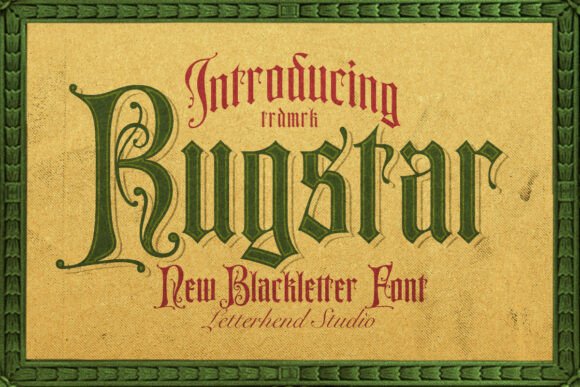
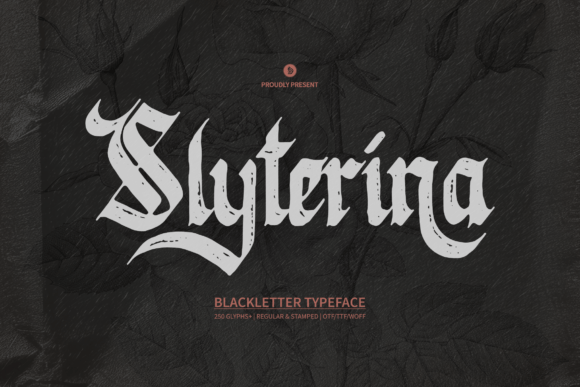
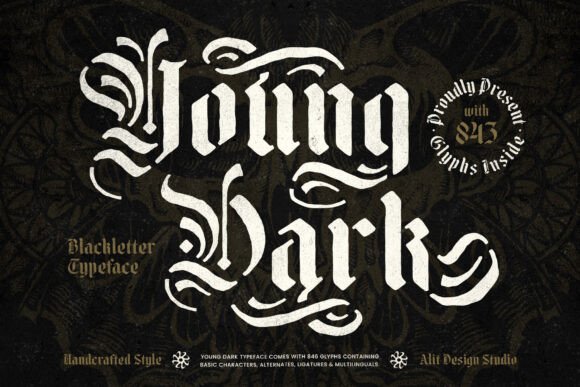
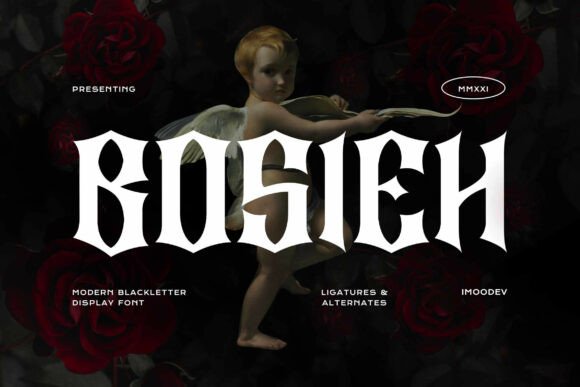
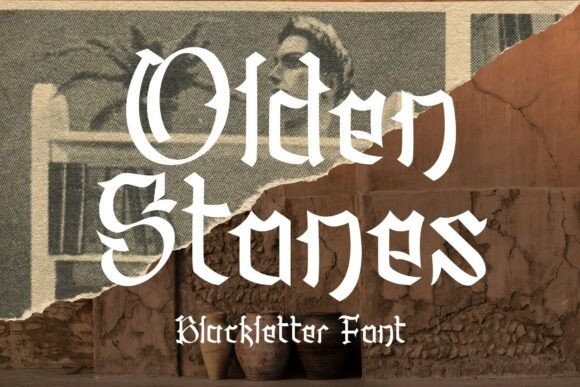
Typography plays a powerful role in design, often shaping how a message is perceived before it's even read. Among the many typefaces available today, Olden Stones stands out as a dramatic blackletter font that captures the essence of medieval craftsmanship and gothic mystique. With its high-contrast strokes, angular terminals, and ornate flourishes, this typeface offers an unmatched sense of historical grandeur. Whether you're designing a craft beer label, a fantasy book cover, or a formal document rooted in tradition, Olden Stones can help you create a visual impact that echoes centuries of heritage.
Why Choose Olden Stones?
The appeal of Olden Stones lies in its ability to convey authority, mystery, and timelessness. It’s not just another decorative font; it’s a carefully crafted blackletter style that resonates with audiences looking for authenticity in their branding or publishing projects. Its bold, dark appearance makes it ideal for:
- Craft Beer Labels: Evoking a rustic, artisanal feel.
- Band Logos: Especially for genres like metal, folk, or gothic rock.
- Fantasy Literature Covers: Creating a sense of adventure and ancient lore.
- Historical Documents or Invitations: Adding a touch of formality and gravitas.
Its intricate details and rich character set also allow for more nuanced expressions in titles and headings—transforming them into visual art pieces rather than mere text.
Common Mistakes When Using Olden Stones
Despite its beauty, Olden Stones can be misused, leading to poor readability, unbalanced designs, or unintended associations. Here are some common pitfalls and how to avoid them:
1. Overusing the Font in Long Texts
One frequent mistake is using Olden Stones for body text. Blackletter fonts are inherently difficult to read in large volumes due to their complex shapes and dense structure. While they work brilliantly for headlines or short phrases, applying them to paragraphs can frustrate readers and dilute your message.
Better Approach: Reserve Olden Stones for short bursts of text such as logos, titles, or taglines. Pair it with a clean sans-serif or serif font for body copy to maintain readability while still benefiting from its stylistic presence.
2. Ignoring Kerning and Letter Spacing
Blackletter fonts like Olden Stones have unique letterforms that don’t always sit well together. Without proper kerning (adjusting space between letters), the result can look cluttered or awkward. This issue is especially noticeable in all-caps usage, which is common in gothic typography.
Better Approach: Always manually adjust spacing when working with Olden Stones in key typographic areas. Many design tools offer auto-kerning options, but these may not fully account for the nuances of blackletter styles. Take the time to fine-tune each line for optimal visual harmony.
3. Not Checking Character Support Before Committing
Olden Stones is visually rich, but it's crucial to verify whether it supports the specific characters you need—especially if you're working with non-Latin scripts or special symbols. Some blackletter fonts lack comprehensive glyph sets, which can lead to missing characters or inconsistent formatting.
Better Approach: Review the font’s glyph chart before finalizing any project. If you’re translating content or using accents, ensure those are included. Consider purchasing a version with extended language support if needed.
4. Misjudging Color and Background Contrast
Olden Stones has a heavy, dark aesthetic that works best against light backgrounds. However, many designers overlook how color choices affect legibility. Placing the font on a busy or similarly colored background can make it blend in rather than stand out.
Better Approach: Use Olden Stones on white, cream, or parchment-like colors to highlight its gothic features. For digital use, consider adding a subtle drop shadow or stroke to enhance visibility without compromising the font’s elegance.
How to Evaluate Olden Stones for Your Project
Before committing to Olden Stones, ask yourself a few critical questions to ensure it aligns with your goals:
- Does the tone of my project match the font’s historic and formal vibe?
- Will the font remain readable at the intended size and placement?
- Do I have access to a high-quality, legally licensed version of the font?
- Is there sufficient character support for my language or content needs?
Answering these questions will help you determine whether Olden Stones is the right choice or if another font might better serve your purpose. Remember, the goal isn't to follow trends blindly but to select a font that enhances your message and audience engagement.
Choosing the Right Source for Olden Stones
With so many places to download or buy fonts online, it’s easy to fall into the trap of selecting a low-quality or pirated version of Olden Stones. Poorly rendered fonts can lead to jagged edges, incorrect glyphs, or legal complications down the line.
Better Approach: Purchase Olden Stones from reputable font foundries such as MyFonts, Adobe Fonts, or FontShop. These platforms ensure you get a professionally designed and legally protected font that performs well across devices and print media.
Realistic Example
Imagine you're launching a new line of craft beers inspired by Norse mythology. You choose Olden Stones for the label, but instead of buying a quality license, you download a free version from an unknown site. The result? Fuzzy printing, missing diacritics, and a logo that doesn’t hold up under magnification. By investing in the correct version upfront, you avoid reprints and preserve the professional look of your brand.
Designing with Olden Stones: Best Practices
To maximize the effectiveness of Olden Stones, keep the following tips in mind:
- Use sparingly: As mentioned earlier, apply it only where its weight and character count won’t overwhelm the reader.
- Pair thoughtfully: Combine it with simpler, modern fonts to balance the overall design. Think of it as a supporting element rather than the sole typographic focus.
- Test in context: Preview how the font looks in both digital and print formats. What works on screen may not translate well to paper, especially at smaller sizes.
- Consider accessibility: Ensure that your use of Olden Stones doesn’t hinder users with dyslexia or visual impairments. Provide alternative text or descriptions where necessary.
Comparing Olden Stones with Similar Fonts
While Olden Stones is a standout option, it’s helpful to compare it with other blackletter fonts like Cloister Black, Balthazar, or Blackadder ITC. Each brings a slightly different flavor of gothic design, and what works for one project may not suit another. For instance, if you need something less ornate, Balthazar might be a better fit. But for full medieval flair, Olden Stones delivers.
What to Check Before Making a Decision
If you're considering Olden Stones for a project, here’s a quick checklist to ensure you’re making an informed decision:
- Confirm the font supports your language and special characters.
- Verify licensing terms—especially if you plan to use it commercially.
- Test it at various sizes and on multiple platforms to ensure clarity and consistency.
- Ensure it complements the rest of your design elements rather than clashing with them.
By addressing these points early, you’ll prevent costly mistakes and create a more cohesive, professional outcome.
Final Thoughts on Olden Stones
Olden Stones is more than just a pretty font—it’s a tool for storytelling through design. When used correctly, it can transform a simple headline into a powerful statement steeped in history and meaning. But like any strong visual element, it requires careful handling. Avoid overuse, ensure compatibility, and always prioritize readability alongside aesthetics.
Whether you're a designer, marketer, or independent creator, choosing the right typeface can elevate your work significantly. Olden Stones offers a unique opportunity to infuse your projects with a timeless, authoritative presence. Just remember to approach it with respect for its complexity and purpose.