Kalthorne: A Bold Blackletter Typeface for Commanding Design
Typography is more than just the arrangement of letters—it’s a powerful tool that can shape perception, evoke emotion, and define brand identity. Among the many typefaces available today, Kalthorne stands out as a bold and expressive Blackletter font that merges strength with artistry. Whether you're designing a logo, creating promotional materials, or working on a vintage-themed project, Kalthorne offers a commanding presence that captures attention and conveys tradition.
What Makes Kalthorne Unique?
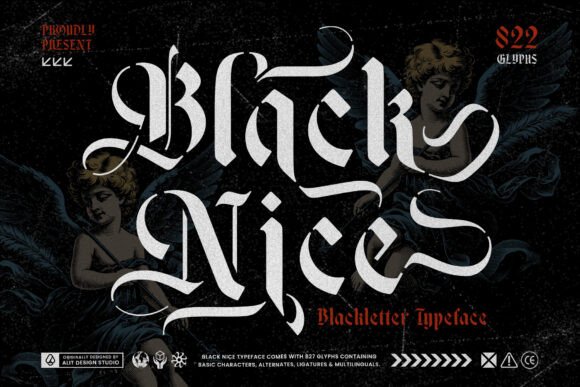
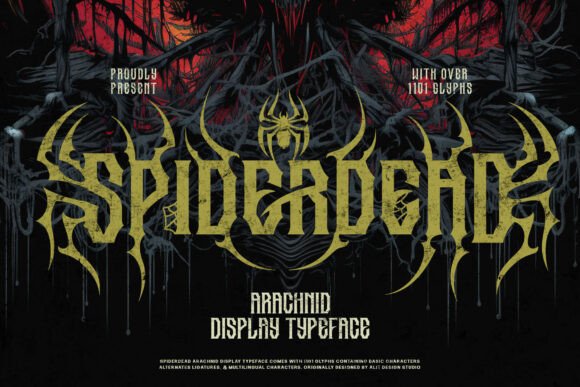
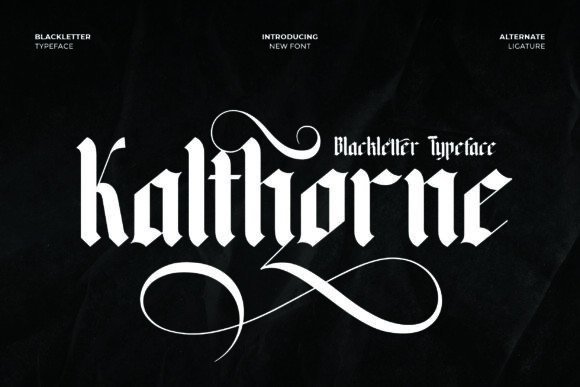
Kalthorne is a modern reinterpretation of the classic gothic letterforms that have long been associated with gravitas and elegance. Its sharp edges, intricate strokes, and elegant swashes give it a rich visual texture that sets it apart from simpler sans-serif or serif fonts. This design choice makes it particularly well-suited for applications where visual impact and historical resonance are key.
While traditional Blackletter typefaces often feel rigid or overly ornate, Kalthorne balances these elements with a touch of contemporary refinement. The result is a font that honors its roots while remaining versatile enough to adapt to modern design needs. It's not just a font; it's a statement.
Common Challenges in Typography Selection
Choosing the right typeface can be a daunting task, especially when trying to align it with your project's tone and purpose. Many designers struggle with:
- Lack of personality: Generic fonts often fail to stand out in crowded markets.
- Clashing with brand identity: Finding a font that reflects the values and aesthetics of a brand without being too trendy or outdated.
- Readability vs. style: Striking the perfect balance between artistic flair and legibility, particularly in smaller sizes or across different media.
- Consistency across platforms: Ensuring the chosen font works effectively in print, digital, and mobile environments.
These challenges are amplified when dealing with niche industries like fashion, entertainment, or personal branding—sectors where typography plays a crucial role in conveying message and mood.
How Kalthorne Addresses These Needs
Kalthorne tackles many of these issues head-on by offering a blend of readability and expressiveness. Its structured yet dynamic form ensures that it remains legible even at smaller sizes, making it suitable for logos and packaging. At the same time, the ornate details and strong contrast between thick and thin strokes add an air of sophistication and individuality.
This font also adapts well across various mediums. From high-resolution prints used in apparel labels to digital formats for website headers or social media banners, Kalthorne maintains its clarity and aesthetic appeal. For tattoo artists, it provides a unique option for script-based designs that carry both meaning and visual weight.
Practical Applications of Kalthorne
Its versatility means Kalthorne can be applied in multiple contexts. Here are some practical uses where it shines:
1. Brand Logos and Identity
For brands that want to project authority and heritage, Kalthorne can serve as a cornerstone of their visual identity. Think of a luxury wine label, a craft brewery, or a historical reenactment group—each can benefit from the regal appearance this font brings.
Example: A new artisanal leather goods company might use Kalthorne for their logo to communicate craftsmanship and timeless quality. Pairing it with minimalist background elements allows the font to take center stage without overwhelming the viewer.
2. Music and Band Posters
In the music industry, visuals are everything. Kalthorne's dramatic character fits perfectly with rock, metal, or alternative genres that rely on bold imagery to capture audience attention. The intricate swashes and gothic structure resonate with fans who appreciate a strong visual narrative.
Tip: When using Kalthorne in poster design, consider layering it with textures like parchment or aged paper effects to enhance the vintage feel and create depth.
3. Apparel and Fashion Design
Apparel branding often requires a font that’s both stylish and functional. Kalthorne adds a distinctive flair to clothing lines, especially those leaning into gothic, steampunk, or retro themes. Its ability to convey a sense of legacy and artistry makes it ideal for slogans, taglines, or embroidered patches.
Consideration: Ensure that the font size and placement on fabric or garment tags are optimized for visibility and durability. Too small, and it may lose impact; too large, and it could become impractical.
4. Packaging and Label Design
Products with a heritage or artisanal angle—such as specialty foods, handcrafted soaps, or vintage-inspired accessories—can leverage Kalthorne to enhance their brand storytelling. The font suggests exclusivity and authenticity, qualities that consumers increasingly value in today’s market.
Recommendation: Use Kalthorne selectively in packaging, perhaps only for the product name or a signature phrase. This helps maintain a clean layout while still drawing the eye to key messaging.
5. Tattoos and Personal Branding
Tattoo artists looking to offer something unique can incorporate Kalthorne into custom script designs. Its strong, defined characters make it easy to trace and translate into body art, while the ornate details provide a level of customization that clients love.
Outcome: Clients receive tattoos that are both visually striking and deeply meaningful, thanks to the font's ability to elevate simple words into compelling designs.
6. Vintage and Themed Projects
If you're working on a project inspired by medieval manuscripts, Renaissance art, or early 20th-century posters, Kalthorne is a natural fit. It can help establish an authentic atmosphere whether you’re designing a wedding invitation, a book cover, or event signage.
Useful tip: Combine Kalthorne with complementary fonts for subheadings or body text. While it’s excellent for headlines, pairing it with a more readable typeface ensures your content remains accessible.
Different Users, Different Approaches
Designers from various backgrounds will likely approach Kalthorne differently depending on their field and objectives. For example:
- Graphic designers might focus on how Kalthorne can enhance a logo's memorability or how it interacts with color schemes and imagery.
- Web developers could explore responsive design techniques to ensure the font looks crisp on all screen sizes, especially since Blackletter styles can sometimes appear too heavy or cluttered on mobile devices.
- Print designers may emphasize the tactile experience of the font, choosing appropriate weights and finishes to highlight its texture and depth in physical products.
- Tattoo artists might study how each glyph translates into ink, adjusting spacing or stroke thickness to suit the client's skin and desired effect.
Each of these perspectives reveals how adaptable Kalthorne can be when tailored to specific goals and mediums.
Implementation Tips and Best Practices
To get the most out of Kalthorne, keep the following considerations in mind:
- Use it sparingly: Because of its bold nature, it’s best reserved for headlines, titles, or short phrases. Overuse can lead to visual fatigue and reduced effectiveness.
- Pair with simplicity: Counterbalance its complexity with minimalistic supporting elements. A clean layout will let the font do the talking without distraction.
- Test across formats: Always preview how Kalthorne appears in print versus digital. Adjust kerning and leading if necessary to ensure optimal legibility and impact.
- Consider color contrast: Darker tones (like black or deep navy) work best to highlight the font’s intricacies. Lighter colors or gradients can soften the look for a more refined presentation.
- Stay consistent: If using Kalthorne in a multi-element design system (e.g., a website or app), define clear rules for when and where it should appear to maintain visual harmony.
Why Choose Kalthorne Over Other Typefaces?
In a world full of sleek sans-serif fonts and minimalist trends, Kalthorne offers a refreshing alternative for those seeking depth and character. Unlike many other Blackletter faces, which can feel archaic or difficult to read, Kalthorne has been thoughtfully crafted to retain its historical charm while meeting modern usability standards.
Its combination of sharp angles, ornate flourishes, and balanced proportions makes it a standout choice for projects that demand both visual punch and a sense of tradition. It’s not just about looking good—it’s about communicating a story through typography.
Final Thoughts on Kalthorne
Kalthorne is more than a font—it’s a design solution for creators who want to infuse their work with strength, artistry, and a touch of history. By understanding the needs of your project and the preferences of your audience, you can harness the power of this typeface to elevate your brand, message, or creative output.
Whether you're a designer, artist, marketer, or entrepreneur, consider how Kalthorne might bring a new dimension to your next project. Its boldness speaks volumes, and with thoughtful application, it can become a defining element of your visual strategy.