Pixel Warden: Bridging Medieval Aesthetics with Digital Creativity
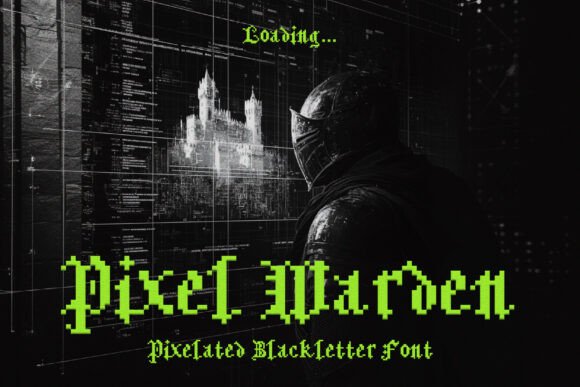
Typography is more than just the arrangement of letters; it’s a powerful storytelling tool that shapes how we perceive design, content, and even culture. In the ever-evolving digital landscape, where trends come and go, some fonts manage to carve out a niche by blending tradition with innovation. One such font is Pixel Warden, a striking blackletter pixel font that merges the ornate elegance of medieval manuscripts with the structured charm of 8-bit artistry. Whether you're a designer, developer, or hobbyist, Pixel Warden offers a unique opportunity to infuse your projects with a sense of history while maintaining a modern digital edge.
The Origins of Blackletter and Pixel Art
To understand what makes Pixel Warden special, it's essential to look at its roots. Blackletter, also known as Gothic script, has a long-standing legacy in European typography, particularly in Germany. It was widely used in handwritten manuscripts during the Middle Ages before being adopted for print in the Renaissance. Characterized by its angular strokes, dense letterforms, and intricate flourishes, blackletter conveys a sense of authority, mystique, and timelessness.
Pixel art, on the other hand, is a product of the digital age. Originating from the limitations of early video game consoles and computer systems, pixel art uses individual pixels to create images and text. This style emphasizes clarity, simplicity, and nostalgia, often invoking memories of classic arcade games and early computing aesthetics.
Pixel Warden brings these two worlds together in a seamless and compelling way. The result is a typeface that doesn't merely reference the past—it reimagines it through the lens of digital craftsmanship.
Meticulous Craftsmanship Meets Modern Design
Every character in Pixel Warden is designed with precision and purpose. The blackletter elements are carefully balanced to retain their traditional weight and structure without becoming too complex for digital use. At the same time, the pixel-based construction ensures readability across screens and devices, making it versatile for both web and print applications.
- Angular beauty: Inspired by historical calligraphy, each stroke maintains the sharpness and density typical of blackletter, giving it an imposing presence.
- Pixel-perfect clarity: The font is optimized for low-resolution displays, ensuring legibility in everything from retro-style websites to mobile interfaces.
- Rebellious flair: By combining the old with the new, Pixel Warden evokes a sense of defiance against conventional design norms—ideal for branding that wants to stand out.
This fusion allows creators to experiment with visual storytelling in ways that feel fresh yet familiar. The font’s distinct character set includes uppercase letters, numerals, and punctuation marks, all rendered with consistency and attention to detail. Special glyphs add further depth, enabling users to craft bespoke typographic experiences tailored to their needs.
Practical Applications of Pixel Warden
Pixel Warden isn’t just a novelty; it’s a practical asset for a wide range of creative fields. Here are several scenarios where this font can be particularly effective:
Retro Gaming Projects
In the world of indie game development, Pixel Warden shines as a key component of authentic 8-bit environments. Its pixelated structure aligns perfectly with the graphical constraints of vintage gaming platforms like the NES or Game Boy. Developers can use it for title screens, menus, or in-game text to evoke a nostalgic atmosphere while adding a touch of gothic intrigue. For example, a fantasy RPG might feature Pixel Warden in its main menu to signal a return to dungeon-crawling classics with a darker twist.
Fantasy-Themed Posters and Graphics
For designers working on movie posters, event flyers, or book covers centered around fantasy or steampunk genres, Pixel Warden provides an ideal blend of power and whimsy. The blackletter heritage lends itself well to themes of magic, mythology, and ancient lore, while the pixel aspect adds a layer of digital futurism. Consider using it in promotional materials for a medieval-themed convention or as a headline for a horror novel set in a dark, mystical world.
Epic Album Covers and Music Branding
Music artists aiming for a bold, unconventional identity will find Pixel Warden invaluable. The font’s dramatic appearance works especially well for metal, rock, and electronic genres that thrive on strong visual statements. It can serve as the primary title on an album cover or as part of a band’s logo to communicate a message of strength and rebellion. Think of it as a bridge between the heavy, ornate typography of the 1970s prog-rock era and the minimalist, blocky fonts of modern synthwave.
Web and Mobile UI Elements
While Pixel Warden may not be suitable for large blocks of body text, it excels in UI design where impact is crucial. Use it sparingly for headers, buttons, or alerts to draw attention without overwhelming the user. Its structured pixel format ensures it remains legible even on smaller screens, which is a must for responsive design. However, it's important to consider contrast and background when implementing it in web environments to maintain accessibility standards.
Why Pixel Warden Stands Out
Many pixel fonts rely on simplicity and uniformity, but Pixel Warden distinguishes itself by incorporating the complexity and texture of blackletter. This duality gives it a rich personality that few other fonts can replicate. Unlike generic sans-serif or serif pixel fonts, Pixel Warden tells a story through its form, offering layers of meaning beyond just conveying text.
Its versatility also sets it apart. While it’s rooted in a specific aesthetic, it can adapt to various contexts—from high-fantasy visuals to gritty cyberpunk designs. The font’s ability to convey both gravitas and playfulness makes it a favorite among those who want to push typographic boundaries.
Considerations When Using Pixel Warden
Despite its strengths, Pixel Warden is best suited for certain types of projects. Before integrating it into your work, consider the following:
- Readability: Due to its blackletter influence, Pixel Warden may be challenging to read in extended passages. Reserve it for headlines or short phrases.
- Contrast: High-contrast color schemes (e.g., white on black) enhance the font’s visibility and maintain its intended effect.
- Resolution: While optimized for pixel-based displays, scaling it up for high-resolution printing may soften its edges. Always test it in different formats before finalizing a project.
- Context: Ensure the font complements the overall theme of your design. It works best in settings where a strong, stylized message is desired.
By keeping these considerations in mind, you can maximize the effectiveness of Pixel Warden without compromising usability or aesthetics.
Creative Possibilities and Beyond
Pixel Warden opens the door to numerous creative experiments. Educators can introduce students to the intersection of historical typography and digital media, using it as a case study in design evolution. Researchers exploring the role of fonts in cultural expression might analyze how Pixel Warden reflects broader trends in hybrid design styles.
Business owners targeting niche markets—such as retro gaming enthusiasts or fantasy literature readers—can leverage Pixel Warden to build brand identity that resonates with their audience. For instance, a boutique selling custom T-shirts could use the font for slogans that mix punk rock energy with a medieval motif.
Moreover, hobbyists interested in pixel art, game modding, or DIY design tools will appreciate the font’s compatibility with common software and platforms. Many graphic design programs, including Adobe Illustrator, Photoshop, and even online tools like Canva, support custom font integration, allowing for easy experimentation.
Pixel Warden in Practice
Let’s take a closer look at how Pixel Warden can elevate a real-world project. Imagine a poster for a live concert featuring a local metal band. Traditional blackletter fonts might be too elaborate for a modern audience, while standard pixel fonts could lack the intensity needed to match the genre’s tone. Pixel Warden strikes the perfect balance, delivering a bold, edgy look that feels both contemporary and steeped in tradition.
Another example could be a website dedicated to documenting the history of video games. The site’s header uses Pixel Warden to immediately establish a retro vibe. As users scroll down, they’re greeted with clean, modern typography for body text, creating a harmonious blend of eras that reinforces the site’s mission of connecting past and present.
These examples highlight how Pixel Warden can be used strategically—not just for decoration, but to enhance the narrative and emotional tone of a project.
Conclusion
Pixel Warden represents a thoughtful evolution of typography, merging the artistic traditions of blackletter with the functional appeal of pixel fonts. Its ability to command attention while maintaining a deep connection to history makes it a standout choice for designers seeking originality and impact. Whether you're crafting a fantasy poster, developing a retro game, or experimenting with new visual identities, Pixel Warden offers a distinctive voice that speaks across time and technology.