Queen Old English: A Royal Typeface for Modern Design
Fonts are more than just letters on a page—they’re the silent storytellers of design. They set the tone, evoke emotion, and sometimes even define an entire brand’s identity. Among the many fonts available today, Queen Old English stands out as a bold and elegant choice that bridges the gap between history and modern aesthetics. With its regal blackletter style and crowned letterforms, this typeface is ideal for designers looking to add a touch of sophistication, authority, or fantasy to their projects.
What Makes Queen Old English Unique?
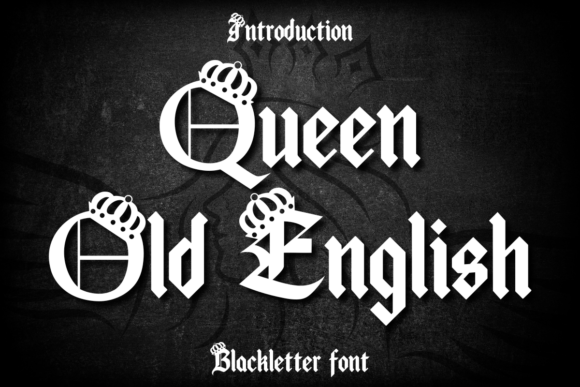
Queen Old English is a variation of the traditional Gothic blackletter style, but with a contemporary twist. Its dramatic strokes and ornate details give it a commanding presence, while the crowned letters introduce a sense of royalty and exclusivity. Unlike standard blackletter fonts that can appear archaic or difficult to read, Queen Old English balances visual grandeur with legibility—especially when used in larger sizes or for short bursts of text like logos or headings.
This font isn’t just about looks; it carries weight. It speaks to tradition, heritage, and prestige, making it a go-to option for branding that needs to exude confidence and timelessness.
Real-World Applications of Queen Old English
The versatility of Queen Old English means it can be applied across various industries and purposes. Here are some practical examples where this font truly shines:
- Luxury Branding: High-end fashion labels, jewelry stores, and premium car brands often use this font for logos and packaging. The crowned letters echo the idea of nobility and exclusivity, aligning perfectly with luxury aesthetics.
- Wedding Invitations: For those who want to create a royal or vintage feel, using Queen Old English can transform a simple invitation into something majestic. It’s especially effective for names and titles, adding a layer of elegance without being over the top.
- Historical or Fantasy Themes: Game developers, book publishers, and film studios working on medieval-inspired content find this font incredibly useful. Whether you're designing a crest for a fantasy kingdom or a title card for a historical documentary, Queen Old English brings authenticity and flair.
- Restaurant Menus and Signage: A fine dining establishment or a themed tavern can benefit from the font’s rich, old-world charm. It works particularly well for names, headings, and special menu items, creating a memorable first impression.
- Stationery and Art Supplies: Artists, calligraphers, and crafters love using Queen Old English for custom designs. From greeting cards to hand-painted signs, the font adds a dramatic, almost theatrical quality that appeals to creative audiences.
Who Benefits Most from Using Queen Old English?
Designers and businesses targeting specific niches will find Queen Old English particularly beneficial. Let’s break down how different users might leverage it:
- Graphic Designers: This font allows for eye-catching headlines and headers. It's great for creating posters, book covers, or website banners that need to make a strong visual impact.
- Entrepreneurs: If you're launching a brand centered around heritage, craftsmanship, or fantasy, Queen Old English can help establish a unique visual identity that sets you apart from competitors.
- Event Planners: Whether it's a royal-themed gala or a rustic barn wedding, this font can elevate invitations, signage, and programs with a sense of grandeur.
- Content Creators: Social media influencers or YouTubers who focus on historical reenactments, fantasy roleplay, or luxury lifestyle content can use it to enhance the thematic consistency of their visuals.
Practical Tips for Using Queen Old English
While Queen Old English is visually striking, it’s important to use it wisely. Here are some considerations to keep in mind before incorporating it into your designs:
- Use Sparingly: Because of its bold nature, it’s best reserved for accents, headers, or logos. Overusing it in body text can overwhelm the reader and reduce readability.
- Pair with Simpler Fonts: To balance its intensity, pair Queen Old English with a clean, sans-serif or serif font for body copy. This contrast helps guide the viewer’s attention and ensures clarity.
- Consider Your Audience: Not everyone responds to Gothic styles. While it may resonate strongly with fans of fantasy or history, it could alienate more modern or minimalist demographics. Know your audience before committing to this look.
- Test at Different Sizes: Always preview the font at the intended size. At smaller scales, the intricate details might become lost or harder to read.
- Color and Contrast Matter: Darker tones like deep reds, blacks, or golds complement the font beautifully. Ensure there's enough contrast against the background so the text remains legible and impactful.
Strengths and Limitations of Queen Old English
Every font has its pros and cons, and Queen Old English is no exception. Understanding these can help you decide if it's the right fit for your project:
- Strengths:
- Its vintage Gothic style makes it stand out instantly, which is valuable for branding and storytelling.
- The crowned letters offer a unique visual element that can be leveraged for titles, monograms, and emblems.
- It adds a sense of gravitas, perfect for luxury, historical, or fantasy contexts.
- Limitations:
- Not suitable for long paragraphs due to its ornate character structure and potential for reduced readability.
- Might not align with contemporary or minimalist design trends, limiting its universal appeal.
- Certain characters (like lowercase “g” or “y”) can be tricky to read unless stylized carefully.
When to Choose Queen Old English Over Other Fonts
If you're looking for a font that doesn't play it safe, Queen Old English could be exactly what you need. Consider using it in the following scenarios:
- You want to create a luxury logo that feels timeless and opulent.
- Your brand or product is rooted in medieval history or inspired by fantasy themes.
- You're designing event materials and aim for a dramatic, high-impact aesthetic.
- You’re after a bold statement font for headlines, titles, or branding elements.
On the flip side, avoid it if you need a font for:
- Long-form reading material, such as blogs, articles, or e-books.
- Projects requiring a sleek, modern look.
- Branding for children’s products or casual environments.
Combining Queen Old English with Other Elements
One of the keys to successfully using Queen Old English lies in how you integrate it with other design components. For example:
- Logos: Pair it with heraldic symbols, shields, or crowns to reinforce the royal theme. Use it in gold or silver for a premium finish.
- Posters: Combine it with dark backgrounds and bright accents for maximum contrast. It works especially well in promotional materials for live performances, exhibitions, or themed events.
- Book Covers: Use it for titles and chapter headings in genres like fantasy, romance, or historical fiction. The font can evoke mystery and allure, drawing readers in.
- Website Headers: Employ it for site names or hero sections where visual impact is key. Make sure to offset it with a softer secondary font for body text.
Observations from Real Projects
In real-world applications, Queen Old English has proven to be a powerful tool when used correctly. One designer reported that using the font for a client’s wine label immediately conveyed a sense of age and tradition, leading to increased customer trust and interest. Another case involved a fantasy board game company that used the font for all title cards and rule summaries—players commented on how the font enhanced the immersive experience of the game world.
However, there are also stories where the font was misused. A small business owner once tried to apply it to a full-length blog post about home décor, only to find that readers were confused and frustrated by the dense, hard-to-read text. That highlights the importance of knowing when to let the font take center stage and when to step back.
Accessibility and Readability Considerations
Accessibility should never be overlooked. While Queen Old English is undeniably beautiful, its ornate style can pose challenges for people with dyslexia or visual impairments. In such cases, consider using it as a decorative accent rather than primary text. Always provide alt text or ensure that the message is duplicated in a more accessible format if needed.
Additionally, screen readability is a concern. On digital platforms, especially mobile devices, it’s crucial to test how the font renders at different resolutions. Some blackletter fonts struggle with pixelation, but Queen Old English has been optimized to retain its clarity even on smaller screens.
Final Thoughts on Queen Old English
Queen Old English is a font that demands respect. It’s not just another pretty face—it's a tool that can communicate power, legacy, and creativity when used thoughtfully. Whether you're crafting a logo for a noble house in a video game or designing a line of artisanal chocolates, this font offers a distinctive voice that few others can match.
As with any design choice, context is everything. Use it to highlight, not obscure. Pair it with complementary elements, and always keep your audience in mind. When done right, Queen Old English can turn your design into a statement of style and substance.